One of the quiet challenges of planning food for a funeral or memorial service is timing. Not just the date, but the hour of the day and the place where people will gather.
A morning service feels different from an evening one. A gathering at home carries a different tone than one held at a place of worship or a community hall. These details matter, not because they require perfection, but because they shape what will feel natural and supportive in the moment.
This guide offers gentle guidance on how time and place can help inform food choices, so the menu supports the gathering rather than drawing attention to itself.
Morning Gatherings and Early Services
Morning memorial services and funerals often call for the lightest touch. Emotions can feel especially close to the surface early in the day, and many people arrive without much appetite. In these settings, simple beverages and small offerings are usually enough. Coffee and tea provide warmth and familiarity, while water is quietly essential. Light pastries, fruit, or baked goods give people the option to eat without expectation.
The goal is not to create a meal, but to offer steadiness. Morning food should feel optional, easy, and unobtrusive, allowing the focus to remain on the service and the people gathered.
Midday Memorials and Lunchtime Receptions
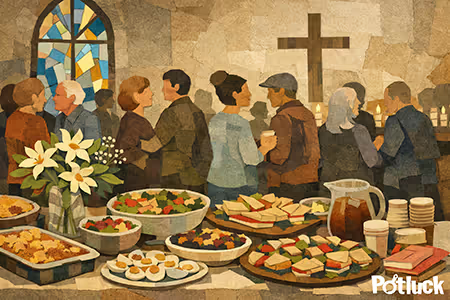
Memorial services held around midday often flow naturally into a more substantial gathering. By this point, people may be ready to sit, talk, and spend a little more time together. Lunch-style food works well here, especially when it’s familiar and self-serve. Sandwiches, salads, soups, and similar options allow people to take what they need without drawing attention to appetite or emotion.
Buffet-style setups tend to feel right for midday gatherings. They create movement without pressure and allow conversations to unfold organically. The food supports the gathering without becoming its focus.
Evening Services and Longer Gatherings
Evening memorials often carry a slightly different energy. People may arrive after a full day, emotionally and physically tired, and a more filling meal can feel grounding.
In these cases, offering a simple dinner or heartier food can help people settle in. This doesn’t mean the menu needs to be elaborate. Familiar main dishes with a few sides are often more than enough. Timing matters here as well. Allowing space between the service and the meal helps the transition feel intentional rather than rushed. When food is ready and waiting quietly, people can move into the next phase of the gathering at their own pace.
Food at Home: Familiar and Flexible
When a memorial gathering is held at a home, the tone often becomes more intimate. Food in these settings works best when it feels familiar and flexible.
Potluck-style meals, simple buffets, or a mix of catered and shared dishes often fit naturally in a home environment. The emphasis is less on structure and more on ease. Using disposable or compostable serving ware can reduce cleanup stress, allowing hosts to remain present rather than managing logistics. In home settings, comfort almost always matters more than coordination.
Gatherings at Places of Worship or Community Spaces
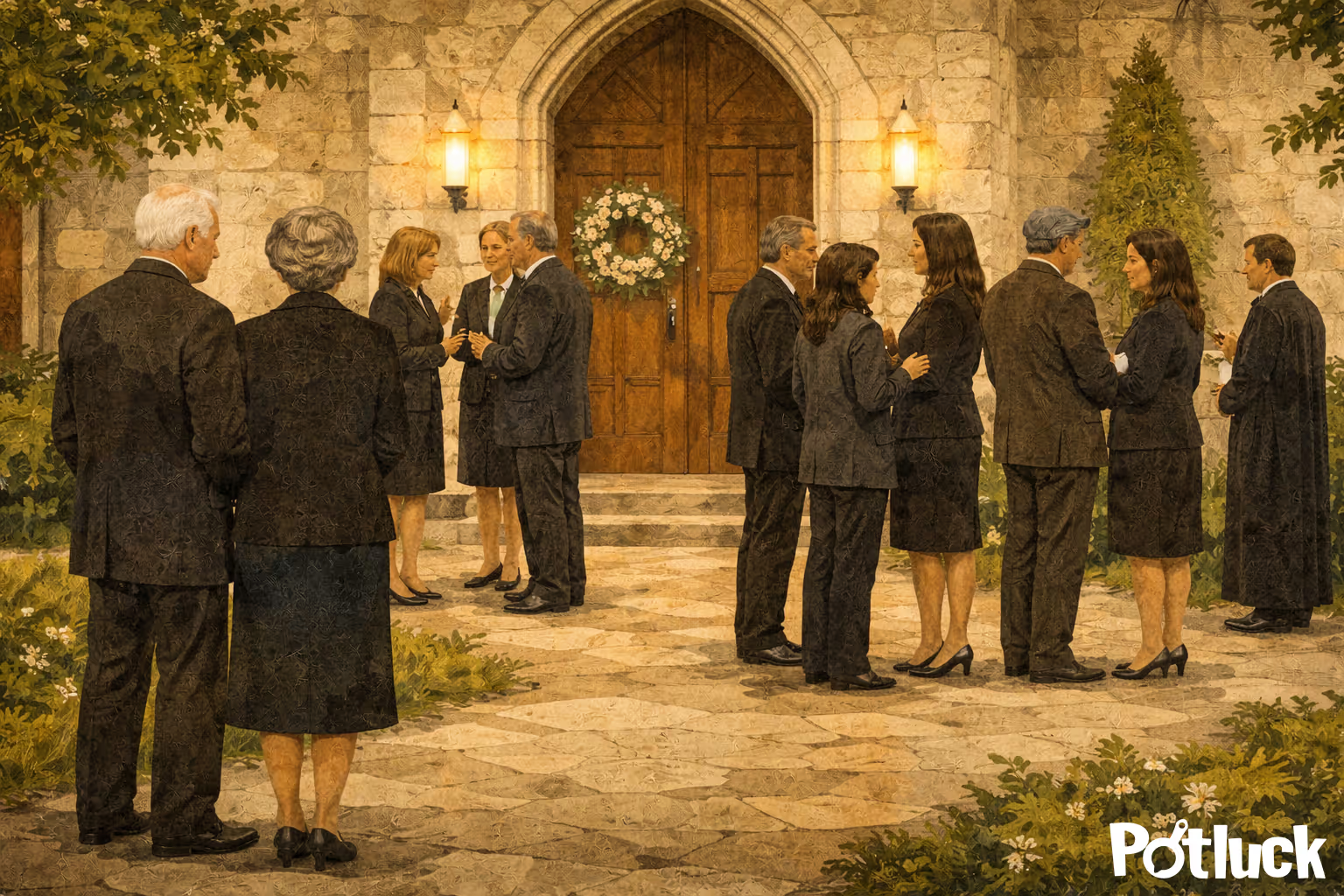
Services held at places of worship, funeral homes, or community halls often come with practical considerations that shape food choices. Kitchen access, time limits, and venue guidelines can all influence what’s possible. In these spaces, simple menus and clear plans tend to work best. Food that is easy to transport, set out, and clear away helps the gathering flow smoothly.
When in doubt, choosing fewer options and focusing on reliability can prevent last-minute stress.
Outdoor Memorials and Seasonal Considerations
Outdoor gatherings introduce another layer of planning, particularly around weather and temperature.
Foods that hold well without strict temperature control are usually safest. Beverages become especially important, whether that means hot drinks on a cool day or water on a warm one. Seasonal awareness helps here. Choosing food that feels appropriate for the time of year can make the gathering feel more comfortable and grounded, even when conditions are unpredictable.
Let Context Do the Work
One of the simplest ways to plan memorial food is to let context guide the decisions. Time of day, location, and the expected length of the gathering offer natural clues about what will feel right.
When food aligns with these factors, it recedes into the background, doing its job quietly. People feel supported without having to think about why.
How Potluck Helps Keep Things Aligned
When menus vary by time and place, coordination becomes especially important. A Potluck event page can hold gathering details, clarify expectations, and help contributors understand what’s needed.
For larger or more complex gatherings, a paid event can unlock sign-ups, event chat, and Moments, giving structure without rigidity. A paid event starts at $9 and can make it easier to adapt plans while keeping everyone informed.
Food That Fits the Moment
There is no universal menu for funerals and memorial services. The right food is the food that fits the moment — the hour, the place, and the people who have gathered. When those elements are honored, food becomes a quiet form of care rather than another decision to manage. If it’s worth gathering, it’s worth planning in a way that feels thoughtful and humane.
When you’re ready, start organizing in a way that feels steady and shared.