
There’s a moment in every gathering where good intentions meet logistical reality. You’ve picked the date. People are excited. And then comes the question that quietly determines whether this event feels easy or chaotic: Who’s bringing what? And who’s doing what?
Professional event coordinators will tell you that this is where gatherings either come together—or start to fray. Not because people don’t want to help, but because unclear sign‑ups create hesitation, duplication, and last‑minute stress.
A perfect sign‑up sheet doesn’t just collect information. It creates shared responsibility. It makes participation feel obvious, visible, and manageable. And most importantly, it protects the energy of the gathering itself. Here’s how experienced hosts and planners think about sign‑up sheets—and how to build one that actually works.
Why the Sign‑Up Sheet Matters More Than You Think
Seasoned event planners often say the sign‑up sheet is the event plan.
When it’s vague, people stall. When it’s overly rigid, people disengage. When it’s clear and flexible, something powerful happens: guests stop feeling like attendees and start feeling like contributors.
This matters because shared experiences are shared memories. And shared responsibility is what turns attendance into belonging.
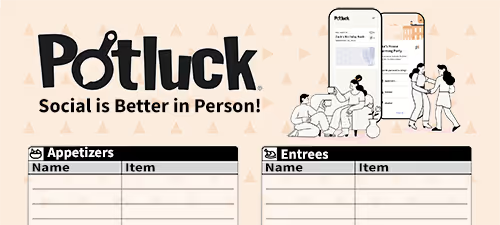
The goal of a sign‑up sheet isn’t perfection. It’s momentum. So move beyond the printed sheet of paper, and create a digital signup sheet that actually simplifies your planning.
The Core Principles of a Great Sign‑Up Sheet
Across hospitality experts, community organizers, and professional coordinators, a few themes show up again and again.
1. Clarity Beats Completeness
Experts consistently recommend starting with clarity, not exhaustiveness.
Instead of listing every possible item, focus on what truly matters: - What must be covered for the gathering to work? - What contributions make guests feel useful and appreciated?
A sign‑up sheet that’s too detailed can feel intimidating. One that’s too vague creates uncertainty. The sweet spot gives people confidence to choose without overthinking.
With Potluck’s interactive sign‑up sheet, this can mean: - Creating broad items like “Main Dish” or “Drinks” - Or getting specific when it helps, like “Vegetarian Main (serves 6–8)”
You get to decide how much guidance your group needs.
2. Group Like Things Together
Professional planners often organize tasks the way people think—not the way spreadsheets do.
Categorizing related items reduces cognitive load and speeds up decisions. It also helps guests quickly see what’s still needed.
Smart categories might include: - Food - Drinks - Setup & Supplies - Activities
Potluck makes this easy by letting you group items into collapsible sections, so your event page stays clean and scannable instead of overwhelming.
Less scrolling. Less stress. More yeses.
3. Leave Room for Choice
One of the biggest mistakes experts warn against: over‑assigning.
People like to help—but they like autonomy, too. A great sign‑up sheet offers structure without forcing decisions.
That’s why experienced hosts mix: - Specific items (like “Ice” or “Paper Plates”) - Open‑ended options (like “Dessert” or “Side Dish of Your Choice”)
Potluck supports both. You can set max quantities when something truly needs limits, or leave items open‑ended when variety is welcome.
Perfection kills connection. Choice keeps it human.
4. Visibility Builds Accountability
Event coordinators often emphasize this simple truth: people follow through when they can see the plan.
A perfect sign‑up sheet lets guests: - See what others are bringing - Avoid accidental duplicates - Feel reassured that the event is coming together
This transparency reduces back‑and‑forth communication and replaces it with quiet confidence.
On a Potluck event page, guests can see selections update in real time, making coordination feel collective instead of burdensome.
Shared experience is more important than communication alone.
5. Notes Matter More Than You Expect
Many experienced planners encourage leaving space for context. Why?
Because real life is nuanced.
Guests may want to add notes like: - “Gluten‑free” - “Store‑bought” - “I’ll arrive late”
Potluck allows guests to add notes to their selections, which prevents misunderstandings and unnecessary follow‑ups. It’s a small feature that saves a surprising amount of energy.
6. Plan for Different Comfort Levels
A truly thoughtful sign‑up sheet accounts for the reality that not everyone engages with technology the same way.
Professional hosts often keep a back‑pocket solution for: - Less tech‑savvy guests - Last‑minute additions - Verbal commitments
With Potluck, hosts can make claims on behalf of guests directly on the sign‑up sheet. No awkward reminders. No missing contributions. Just a complete picture.
This flexibility is what keeps planning inclusive—and gatherings welcoming.
A Simple Framework for Building Your Sign‑Up Sheet
If you want a fast, expert‑approved approach, start here:
- List what’s essential (the gathering can’t happen without it)
- Add flexible extras (nice‑to‑haves that people enjoy choosing)
- Group items logically so guests can scan quickly
- Decide where limits matter—and where they don’t Leave space for notes and personal context
You can do this in about 10 minutes. And those 10 minutes are what turn coordination into calm.
Common Sign‑Up Sheet Pitfalls (and How to Avoid Them)
Even experienced hosts slip into these traps:
- Too many micro‑items → Combine when possible
- No visibility → Let guests see the full picture
- Rigid assignments → Offer choices instead
- Last‑minute scrambling → Build the sheet early Remember: if it’s worth gathering, it’s worth planning well.
The Real Measure of a “Perfect” Sign‑Up Sheet
A perfect sign‑up sheet isn’t flawless.
It’s one that: - Makes it easy to say yes - Shares responsibility naturally - Reduces stress for the host - Helps guests feel like they belong
That’s the heart of Potluck.
For those that make together happen, the right tools don’t just organize logistics—they protect the joy of coming together.
When you’re ready, it’s time to gather.