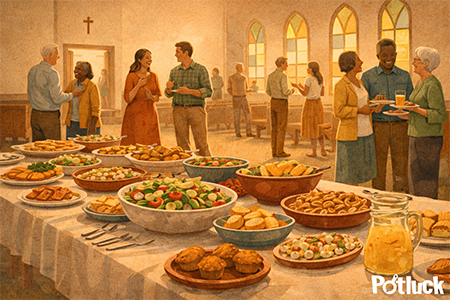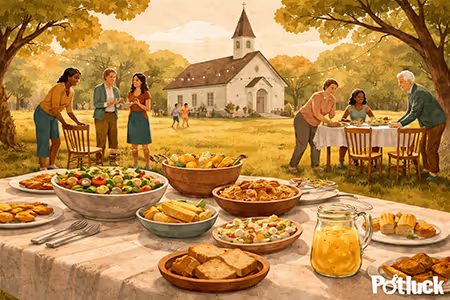
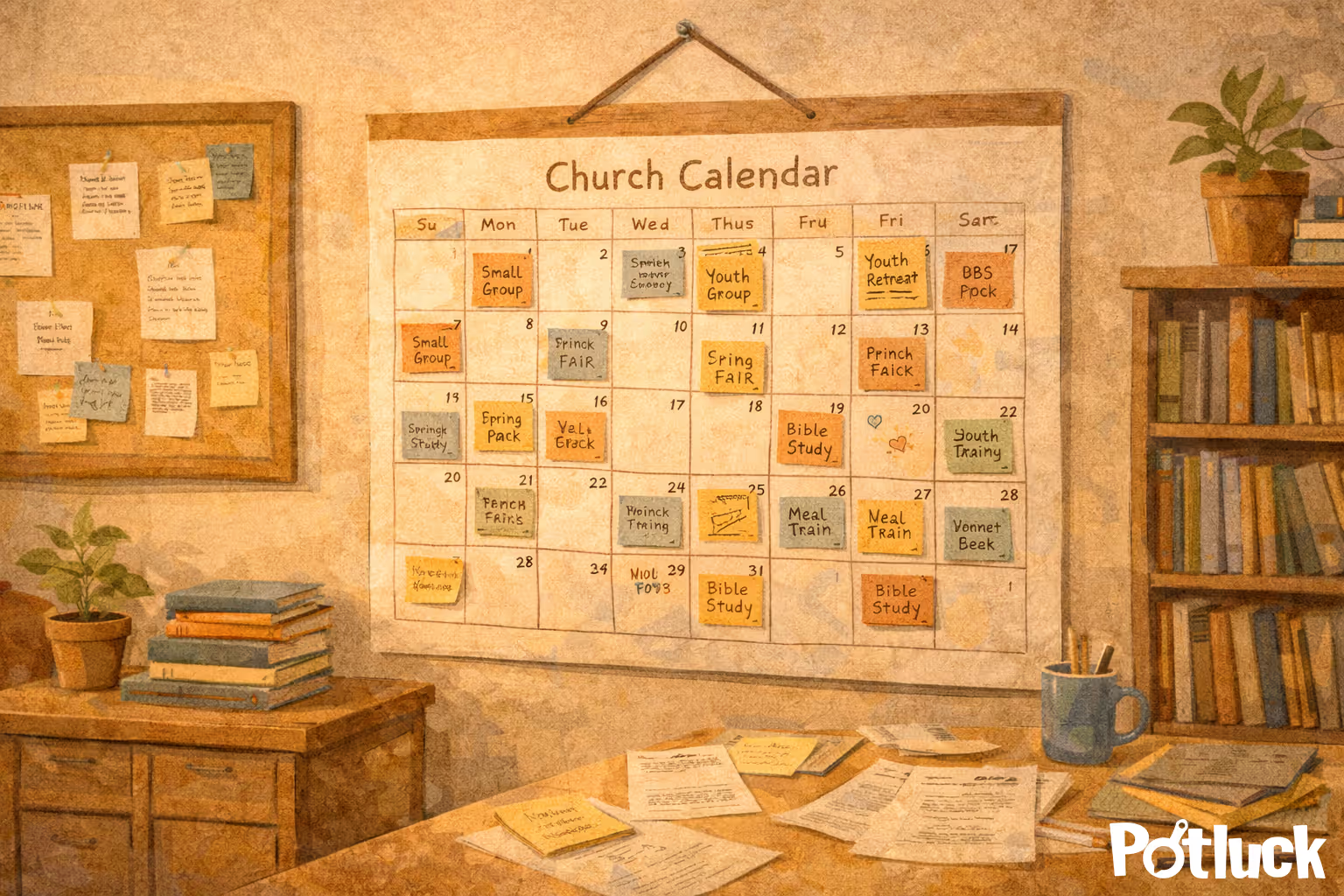
Churches don’t just plan events — they plan seasons.
From weekly gatherings and monthly potlucks to holiday celebrations, outreach events, and volunteer appreciation dinners, church calendars fill up quickly. Yet many churches plan each event in isolation, reacting week by week instead of working from a clear, shared plan.
The result?
Last-minute coordination, overwhelmed volunteers, and missed opportunities for deeper connection.
A church event planning calendar that actually works isn’t about adding more structure — it’s about creating clarity, rhythm, and sustainability.
Why Church Event Planning Often Feels Chaotic
Most church leaders don’t lack vision. They lack bandwidth.
Common challenges include:
- Planning events one at a time instead of holistically
- Rebuilding logistics from scratch for recurring events
- Volunteer fatigue from constant last-minute requests
- Poor visibility into what’s coming next
- Too many disconnected tools for planning and communication
When events aren’t planned with the full year in mind, pressure builds — especially around busy seasons like holidays.
What Makes a Church Event Calendar Actually Work
An effective church event planning calendar does more than list dates. It helps leaders answer key questions in advance:
- What events happen every year?
- Which events repeat monthly or quarterly?
- Where do volunteers need the most support?
- How can responsibilities be shared earlier?
- How do we reduce planning friction over time?
A working calendar brings predictability — and predictability reduces stress.
Building a Better Church Event Calendar (Step by Step)
1. Identify Your Anchor Events
Start by listing the events that shape your church year:
- Holiday meals and celebrations
- Monthly potlucks or fellowship dinners
- Volunteer appreciation events
- Outreach and community events
- Seasonal programs and ministry gatherings
These anchor events create the backbone of your calendar.
2. Plan in Seasons, Not Silos
Church life naturally follows seasons. Grouping events by season helps leaders and volunteers prepare mentally and practically.
For example:
- Spring: Easter meals, new member gatherings
- Summer: Community picnics, VBS, outreach events
- Fall: Welcome-back dinners, harvest events
- Winter: Advent gatherings, Christmas meals, year-end celebrations
Seasonal planning reduces surprises and improves coordination.
3. Create Repeatable Event Templates
Recurring events shouldn’t require reinventing the wheel.
With Potluck, churches can:
- Reuse past event structures
- Reference previous guest lists and sign-ups
- See what worked (and what didn’t)
- Adjust instead of rebuilding
This turns experience into efficiency.
How Potluck Supports a Smarter Church Event Calendar
Potluck isn’t just for one-off events — it’s built to support churches planning all year long.
Here’s how it helps:
1. One Central System for Every Event
Instead of switching tools throughout the year, Potluck gives churches:
- One event page format everyone understands
- One place for sign-ups, RSVPs, and communication
- Consistency across ministries and teams
Volunteers learn the system once — and use it all year.
2. Events Get Easier the More You Use Potluck
Potluck retains:
- Event history
- Guest participation
- Contribution patterns
- Shared photos and memories
This means each new event benefits from the last. Planning becomes faster, clearer, and more collaborative over time.
3. Better Volunteer Preparation, Less Burnout
When events are planned ahead:
- Volunteers can choose how and when to help
- Leaders aren’t scrambling at the last minute
- Responsibility is shared more evenly
A clear calendar supports healthier volunteer engagement.
Why an Annual Membership Makes Sense for Churches
Churches don’t host one event — they host dozens.
Potluck’s Annual Membership is designed for organizations with recurring gatherings. It allows churches to:
- Create unlimited events throughout the year
- Plan consistently across ministries
- Reduce per-event decision fatigue
- Maintain continuity even as leaders rotate
Instead of paying per event or juggling tools, churches invest in a system that supports long-term community building.
From Busy to Intentional
A church event calendar that works doesn’t feel rigid — it feels freeing.
When leaders know what’s coming, volunteers feel prepared. When planning is predictable, creativity has room to flourish. And when logistics fade into the background, connection takes center stage.
Church events should support the mission, not strain the people carrying it.
Start Planning Your Church’s Year Today
If your church is ready to:
- Plan events more intentionally
- Reduce last-minute stress
- Support volunteers throughout the year
- Build stronger community with less friction
Potluck can help.
Because when planning works, community grows.