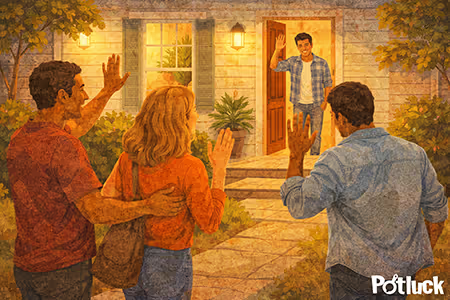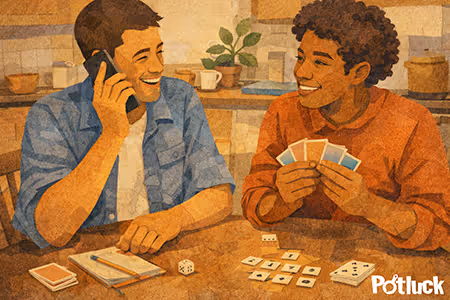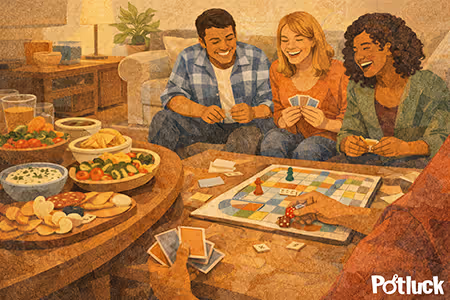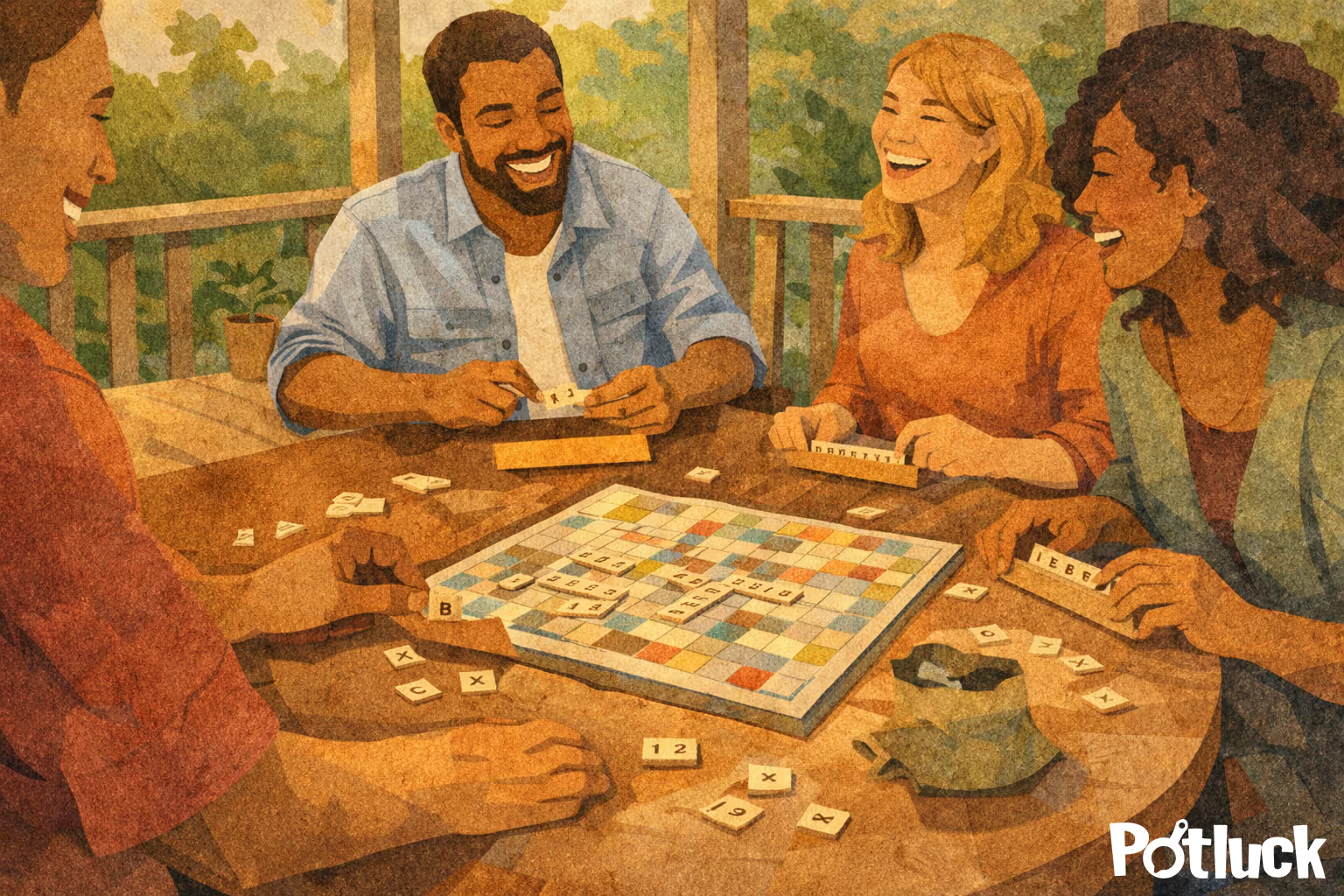
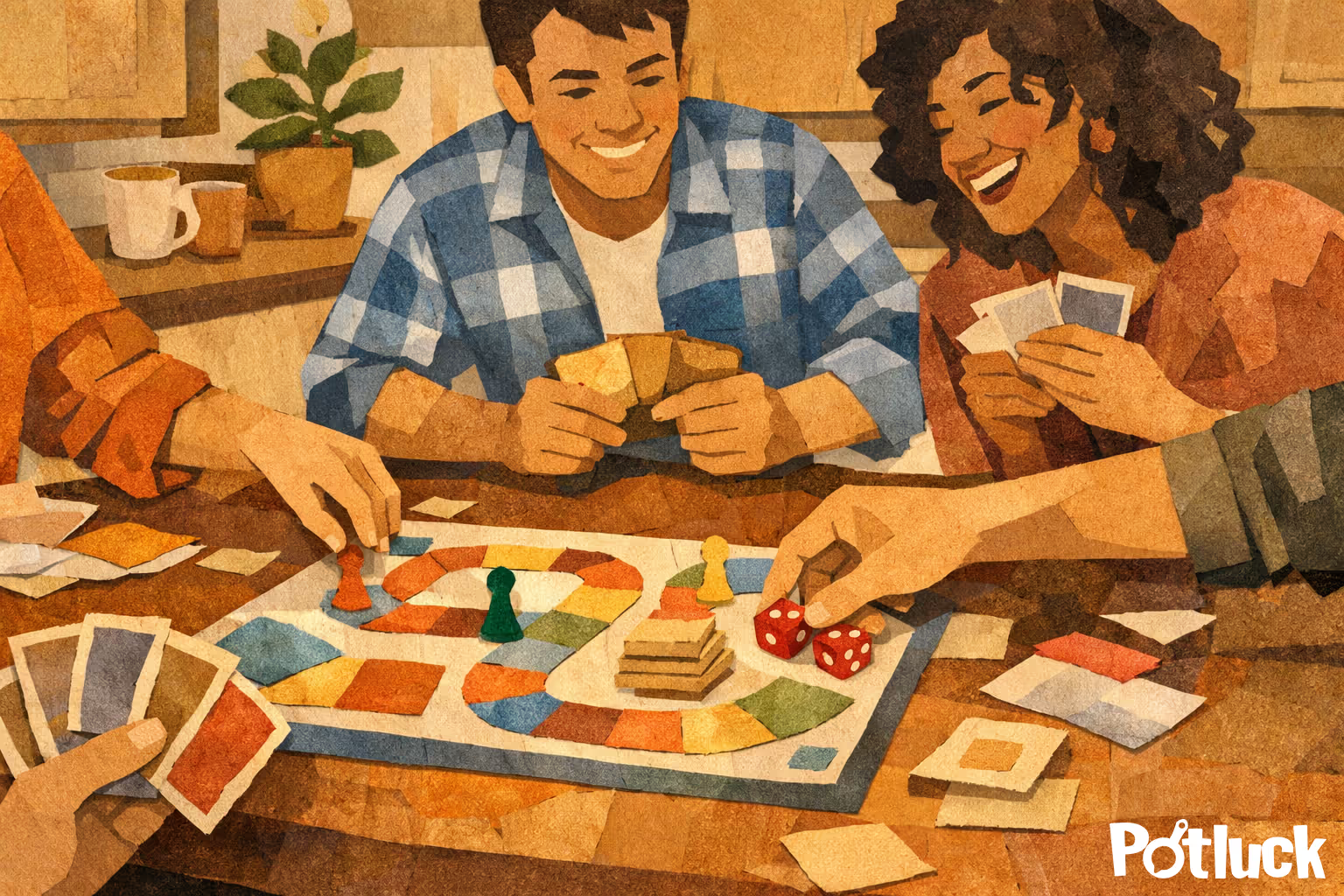
There’s something deceptively heavy about the phrase “Let’s just do a game night.” It sounds casual. Easy. Low-stakes. And yet, for the person hosting, it often triggers a quiet spiral of decisions: What games will work? How many people is too many? Should I cook? What if no one comes? What if everyone comes?
This is the tension at the heart of game night. We want it to feel effortless, but we also want it to matter. We want people to show up, relax, laugh, and leave feeling closer than when they arrived. That kind of connection doesn’t happen by accident — but it also doesn’t require perfection.
When game night works, it works because it creates a shared experience. Not a performance. Not an obligation. Just a few hours where people are present together, focused on the same thing, and allowed to be human. If it’s worth gathering, it’s worth planning well — not to control the night, but to make space for connection.
Why Game Night Matters More Than We Think
Game night has staying power for a reason. Games give people something to do with their hands and attention, which lowers social pressure and smooths over awkward moments. They offer structure without formality and competition without consequence. For friends who see each other often, games add novelty. For groups that are still forming, they provide a safe, shared focus.
But the real value isn’t the game itself. It’s the experience of doing something together. Shared experience is more important than communication alone. You can text endlessly and still feel disconnected. Sit around a table, argue over the rules, celebrate a surprise win, and suddenly you’ve built a memory.
Memories turn attendance into belonging. That’s what keeps people saying yes next time.
Hosting Isn’t Performing — It’s Holding Space
Many people avoid hosting because they assume it means entertaining. Being “on.” Making sure everyone is having fun at all times. That assumption is exhausting, and it’s unnecessary.
Hosting a game night is less about performing and more about holding space. It’s about setting a clear container — when it starts, what it roughly looks like, how people can participate — and then letting the group fill it in together.
This is where shared responsibility changes everything. When guests bring a game, contribute food, or help shape the night ahead of time, the gathering stops being something you’re providing and starts being something you’re facilitating. Connection is the point, and connection grows when everyone has a small stake in making it happen.
Designing the Night, Not Just the Games
It’s tempting to think the success of a game night hinges on picking the right game. In reality, flow matters more than mechanics. People remember how the night felt, not which game was technically best.
A welcoming start sets the tone. People arrive at different times and with different energy levels. Having a natural entry point — snacks out, music on, a low-pressure activity — helps everyone settle in without rushing.
As the night unfolds, attention spans ebb and flow. Some games spark big energy, others invite conversation. Leaving room to shift gears keeps the experience human instead of rigid. Breaks for food, side conversations, or rule clarification aren’t interruptions; they’re part of how people connect.
The goal isn’t to maximize playtime. It’s to create a rhythm where laughter, focus, and rest all have a place.
A Simple Planning Rhythm That Reduces Stress
What makes game night stressful isn’t the gathering itself — it’s the invisible logistics swirling in one person’s head. Dates, headcounts, food, questions, reminders. When all of that lives in private messages and mental notes, it feels heavier than it needs to be.
A shared planning rhythm lightens the load. One clear event page gives everyone the same information. An interactive sign-up sheet lets people see what’s needed and opt in without awkward back-and-forth. An event chat keeps conversation in one place and builds anticipation before anyone arrives.
This kind of structure doesn’t make the night formal. It makes it possible. Less stress, more joy — especially for the person opening their home.
Letting Go of Perfect
Something will go sideways. A rule will be misunderstood. A game will flop. Someone will spill a drink. These moments aren’t failures; they’re often the most memorable parts of the night.
Perfection kills connection. When hosts leave room for things to be a little messy, guests relax. They laugh more easily. They help each other. They feel like they belong rather than like they’re attending a carefully managed event.
Game night works best when it feels human. Warm, imperfect, shared.
What People Remember When It’s Over
Long after the table is cleared, people remember how they felt walking out the door. Did they feel included? Did they feel lighter than when they arrived? Did they feel like their presence mattered?
Those feelings come from small signals: being welcomed by name, contributing something to the night, sharing a moment that only made sense because everyone was there together. Shared experiences are shared memories, and shared memories are what turn a one-off hangout into something people want to
repeat.
Time to Gather
If you’ve been waiting for the perfect moment, the perfect game, or the perfect plan, consider this your permission slip to start anyway. Game night doesn’t need to be flawless to be meaningful. It just needs a little intention and a willingness to let it be shared.
Start planning a game night that feels lighter, clearer, and genuinely connective. Create an event page. Invite people in. Let the responsibility — and the joy — be distributed.
Social is better in person. Let’s get started.