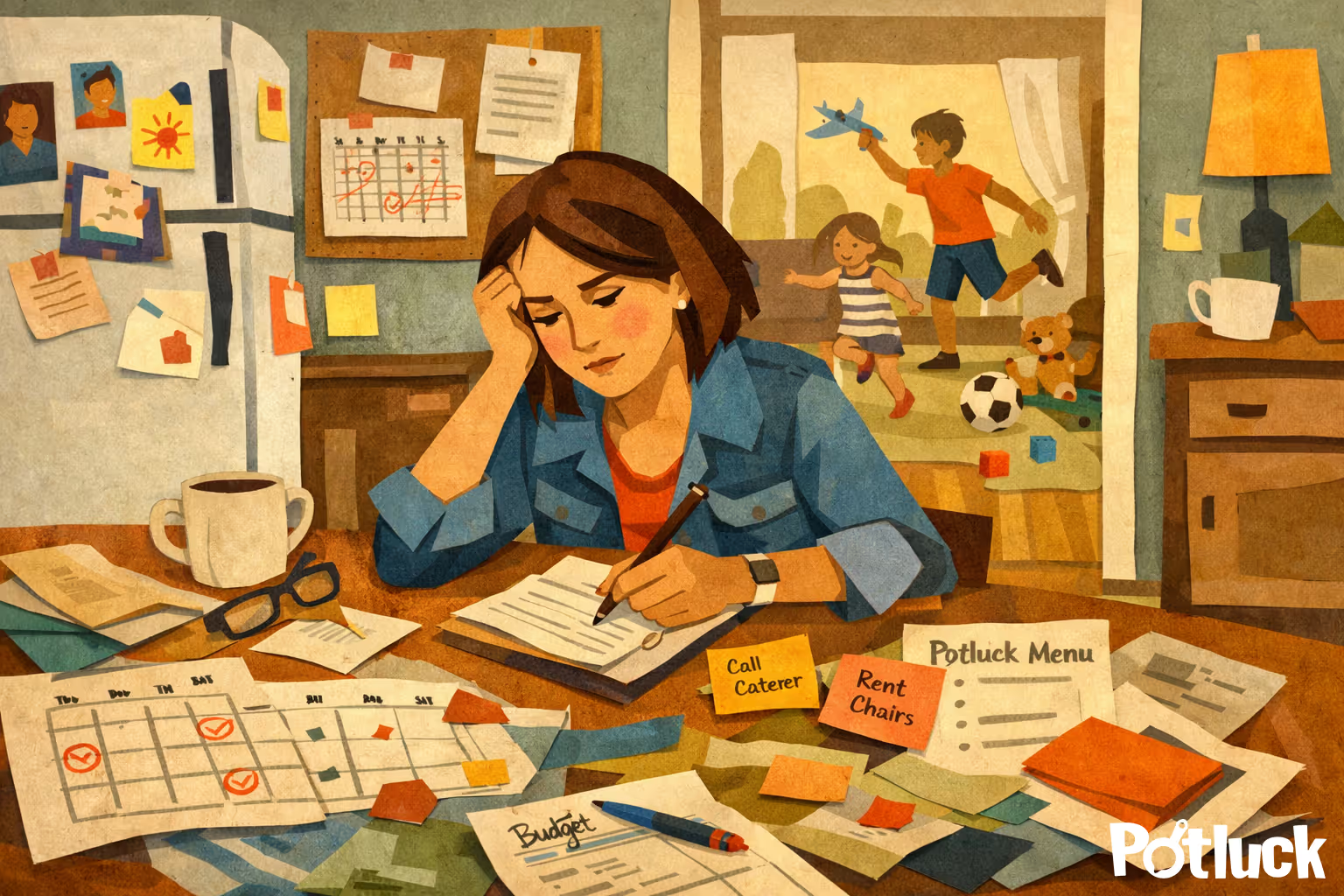
It usually starts innocently. Someone says, “We should really all get together.” Everyone agrees. Then—somehow—you’re the one fielding texts from three cousins, your aunt wants a headcount by Tuesday, and nobody can remember who offered to bring food.
If you’ve ever found yourself planning a family reunion by default, you’re not alone. Family reunions matter deeply, but the logistics can quietly drain the joy right out of them. The good news: planning a reunion doesn’t have to feel like a solo endurance event. With the right mindset and a simple structure, it can actually feel lighter—and even meaningful before the gathering begins.
Why Family Reunions Matter More Than Ever
Family reunions aren’t about matching T-shirts or perfectly timed activities. They’re about shared experiences that don’t happen by accident anymore. Life spreads people out. Calendars fill up. Kids grow faster than we expect. Reunions are one of the few moments where generations overlap in the same place, creating memories that stick because they were lived together.
Shared experiences are shared memories. And memories are what turn attendance into belonging. That’s why connection is the point—not flawless execution. When reunions work, it’s rarely because everything went according to plan. It’s because people felt included, needed, and welcome.
The Most Important Reframe: You’re Not the Host, You’re the Convener
One of the biggest sources of reunion stress is the unspoken assumption that one person is “in charge of everything.” Food, communication, schedules, answers, backup plans. That’s a lot to carry—and it’s unnecessary.
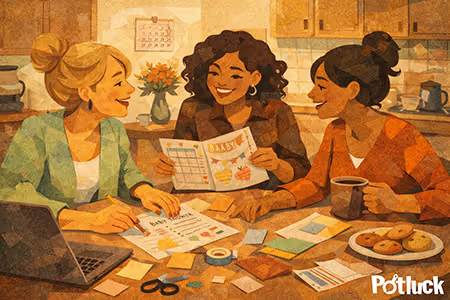
Think of yourself not as the host, but as the convener. Your role isn’t to do everything. It’s to create a shared space where planning happens together. When responsibility is shared early, people feel invested. They show up differently. They help without being asked twice. Shared responsibility builds stronger families because it invites everyone into the experience before it even begins.
Perfection kills connection. But shared effort builds it.
A 10-Minute Quick Win to Get Momentum
If you do nothing else today, do this: create one shared place for the reunion. One Event page where the details live, evolve, and stay visible. Choose a tentative date or date range, write a simple description of what the reunion is meant to be, and invite family members to join the planning.
That single step reduces stress immediately. It replaces scattered texts with clarity. It signals that this isn’t a solo project—and it gives people a way to participate without guesswork.
A Clear, Calm Plan for Planning a Family Reunion
You don’t need a massive timeline or a spreadsheet worthy of a corporate offsite. You need a plan that respects people’s time, energy, and desire to contribute.
1. Start with the “why,” not the details.
Before locking down locations or menus, be clear about the purpose. Is this about reconnecting after years apart? Celebrating grandparents? Letting cousins’ kids actually meet? Naming the why helps guide decisions later—and makes it easier to say no to unnecessary complexity.
2. Choose a flexible format.
Family reunions don’t need to be week-long productions. A long weekend, a day plus a shared meal, or even a casual afternoon gathering can work beautifully. Flexibility increases attendance and lowers pressure, especially for families juggling work, travel, and kids.
3. Share responsibility early and visibly.
This is where an interactive sign-up sheet matters. Instead of privately assigning tasks or hoping someone volunteers, make contributions visible and optional. Food, activities, setup help, lodging tips—when people can choose how they help, they’re far more likely to follow through.
4. Keep communication in one place.
Group texts multiply quickly, and important details get buried. An event chat keeps questions, updates, and coordination centralized so nobody feels out of the loop—or overwhelmed by notifications.
5. Plan for memories, not perfection.
Leave room for unstructured time. Shared meals, walks, stories on the porch—these are often the moments people remember most. After the reunion, Moments make it easy for everyone to share photos and relive the experience together, even once everyone’s back home.
What Usually Goes Wrong (and Why It’s Normal)
Many reunion planners fall into the same traps, often out of care rather than control. Trying to make everyone happy. Waiting too long to ask for help. Overplanning activities because silence feels risky. Underestimating how much people actually want to contribute.
Here’s the truth: most people don’t need the reunion to be perfect. They need it to feel welcoming and doable. When expectations are realistic and planning is shared, resentment fades and joy has room to show up.
Less stress, more joy isn’t a slogan—it’s a strategy.
Let the Gathering Be Human
Family reunions work best when they reflect real life. Different budgets. Different energy levels. Different personalities. Planning well doesn’t mean smoothing out every difference; it means making space for them.
When planning is visible, shared, and simple, people feel like part of something instead of guests at someone else’s event. That’s when connection deepens. That’s when memories form naturally. That’s when together actually happens.
If it’s worth gathering, it’s worth planning well—but not alone.