Baby shower planning often gets complicated not because there’s too much to do, but because the information is scattered. Details live in text threads. Preferences are mentioned casually and then forgotten. Guests ask the same questions at different times, and the person planning starts to feel like a help desk instead of a host.
A clear baby shower Event page changes that dynamic entirely. It gives the gathering a single home — one place where guests can understand what’s happening, how to show up, and how to help.
The goal isn’t to explain everything. It’s to explain the right things.
Why a Baby Shower Event Page Matters
Clarity is one of the most generous things you can offer your guests.
When people know where to go for details, they arrive more relaxed. They don’t worry about bringing the wrong thing, showing up at the wrong time, or missing an unspoken expectation. Instead of guessing, they can focus on the shared experience itself.
An Event page also quietly supports shared responsibility. When information is visible to everyone, planning stops being something one person manages and becomes something the group understands.
The Essentials Every Baby Shower Event Page Should Include
There are a few details that truly matter. Get these right, and most of the logistical stress disappears.
Start with the basics: the date, start time, and location. If the gathering is in a home, it helps to clarify whether it’s indoors, outdoors, or a mix of both. If it’s virtual or hybrid, that should be unmistakable.
Next, clearly name who the shower is for. This may sound obvious, but it sets the emotional context. A sentence about the parents-to-be — warm, human, and brief — reminds guests why they’re gathering in the first place.
Finally, include a short note about the kind of gathering this is. Casual brunch. Afternoon drop-in. Full sit-down celebration. When expectations are clear, people feel more at ease.
Details That Help — Without Overwhelming
Beyond the essentials, a few thoughtful additions can make a big difference.
Gift guidance is often one of them. This doesn’t need to be prescriptive. A simple note about a registry, group gift, or preferences is enough to reduce awkward guesswork.
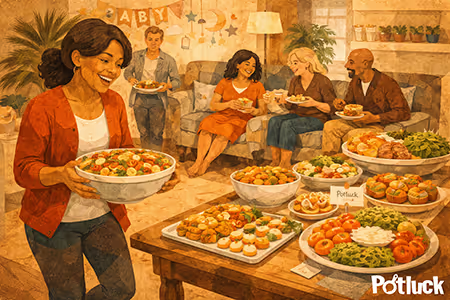
Food details are another area where clarity helps. If guests are contributing, an interactive sign-up sheet allows everyone to see what’s already covered and choose something that fits their comfort level. This prevents duplication and removes the need for private coordination.
Accessibility and logistical notes — parking, entry instructions, dietary considerations — are also worth including when relevant. These details quietly communicate care.
What You Can Leave Off (And Why That’s a Relief)
Not everything belongs on the Event page.
You don’t need a minute-by-minute schedule. Baby showers are social gatherings, not productions. Too much structure can create pressure instead of ease.
You also don’t need to over-explain your choices. Simple décor, casual food, or a short program don’t require justification. When the tone is welcoming, people follow suit.
Apologies can go, too. There’s no need to preemptively explain what might be imperfect. Guests are there to support, not evaluate.
How One Central Page Reduces Follow-Up Questions
When information lives in one place, something remarkable happens: the questions slow down.
Instead of answering the same texts repeatedly, hosts can trust that guests will check the Event page. Updates can be shared once, rather than relayed individually. If plans shift, everyone sees the change at the same time.
Potluck is designed around this idea of calm clarity. The Event page holds the details. The interactive sign-up sheet makes contributions visible. The event chat gives guests a shared space to ask questions or coordinate without pulling the host into endless side conversations.
The result isn’t just efficiency. It’s a more relaxed planning experience for everyone involved.
A Tool That Supports the Gathering — Not the Other Way Around
An Event page should serve the gathering, not complicate it. It should make it easier for people to show up well and help when they can.
When the basics are clear and participation is shared, planning feels lighter. Less stress, more joy. Less managing, more connecting.
If it’s worth gathering, it’s worth giving the details a clear home. Start organizing in a way that supports the
people — not just the plan.