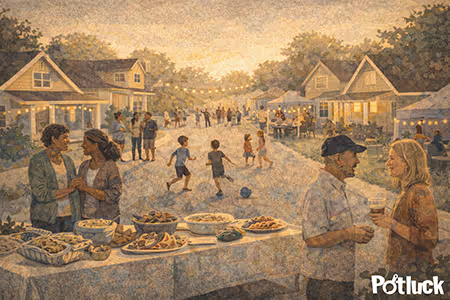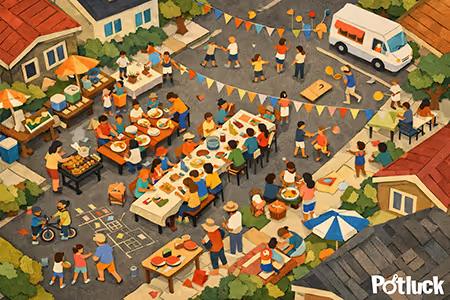
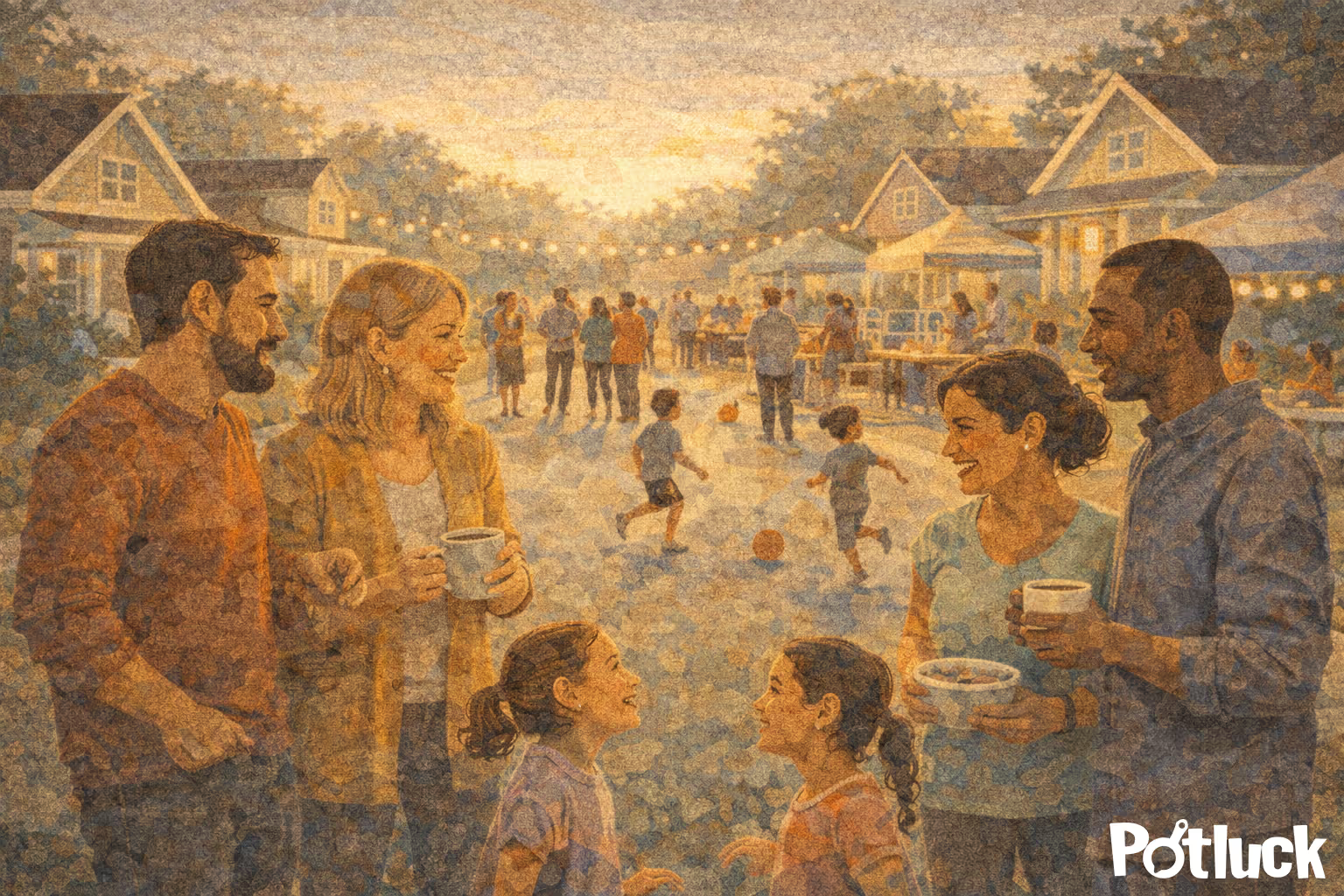
Block parties can feel old-fashioned. In a world of packed calendars, group chats, and endless digital updates, it’s easy to wonder whether they’re still worth the effort.
The answer is yes — now more than ever. Because block parties do something modern life rarely does:
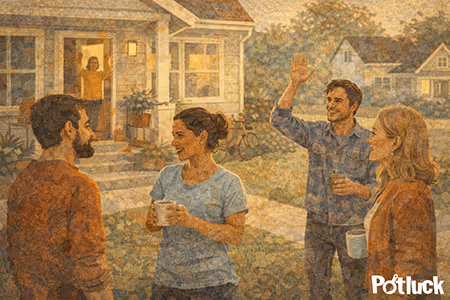
They turn neighbors into people who know each other.
Proximity Builds Trust Faster Than Communication
Most neighborhood issues aren’t caused by bad intentions. They’re caused by unfamiliarity.
When people don’t know each other, small problems escalate. When they do, patience and cooperation come more naturally.
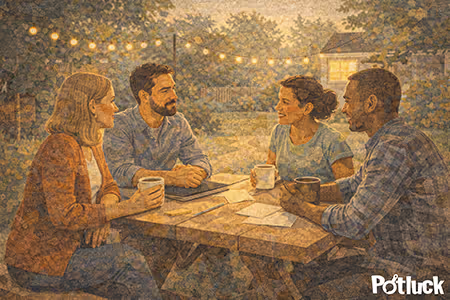
Block parties create low-stakes proximity. No agenda. No pressure. Just time spent together.
That shared experience quietly builds trust — long before it’s needed.
Digital Tools Keep Us Informed — Not Connected
Neighborhood emails, social media groups, and messaging apps are useful. They share information quickly.
But they don’t create belonging. Belonging comes from: Seeing familiar faces - Exchanging small favors - Sharing ordinary moments.
Those things don’t happen in feeds. They happen on sidewalks, driveways, and front lawns.
Block Parties Lower the Barrier to Participation
Formal events can feel intimidating. Block parties don’t.
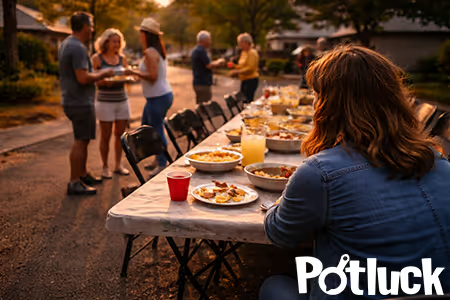
They’re casual by design: Drop in when you can - Bring something simple - Stay as long as it works.
That flexibility makes participation accessible — especially for busy families and long-time residents alike.
Showing up once makes showing up again easier.
Why Block Parties Work When Other Events Don’t
Block parties succeed because they combine three powerful elements:
- Physical proximity — no travel required
- Shared responsibility — everyone contributes something small
- Repetition — they work best when they happen again
Together, these elements create familiarity. And familiarity is the foundation of community.
The Hidden Value of Doing Them Consistently
A single block party is nice. A recurring one is transformative.
When neighbors gather year after year: - Names become familiar - New residents integrate faster - Informal leaders emerge - Community norms strengthen
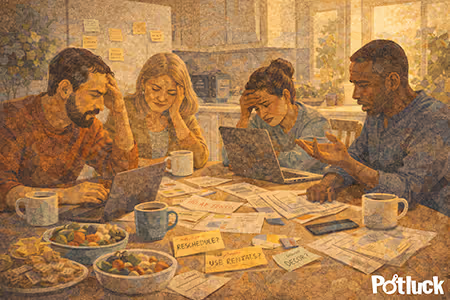
This only works when planning doesn’t reset every time. Consistency requires systems that remember.
How Potluck Makes Block Parties Easier to Repeat
Potluck was built for exactly this kind of gathering.
For block parties and neighborhood events, Potluck:
- Retains attendees as Connections, so guest lists don’t have to be rebuilt
- Saves full event history, making it easy to duplicate successful block parties
- Uses an interactive sign-up sheet so responsibility is shared
- Keeps coordination simple with a focused event chat
Instead of reinventing, organizers refine. Each block party becomes easier than the last.
Why Paid Events Support Sustainable Block Parties
Block parties are small. But their impact is not.
A paid event on Potluck unlocks the tools that make recurring block parties sustainable: Retained Connections - Reusable event structures - Clear sign-ups and communication.
A paid event starts at $9. That small investment protects organizer energy — and community momentum.
Start With Your Block
You don’t need a grand plan. You just need a reason to gather.
Choose a date. Invite the neighbors. Share the responsibility.
Let familiarity do the rest. Because even in a busy, digital world, block parties still matter.
Start organizing your next block party
This post is part of Potluck’s ongoing series on how neighborhoods become communities.