For many baby showers, food is where planning starts to feel heavy.
It’s not just the menu. It’s the timing, the quantities, the dietary needs, and the quiet fear of running out — or ending up with way too much of the wrong thing. Food planning has a way of turning a joyful gathering into a mental math problem that never quite resolves.
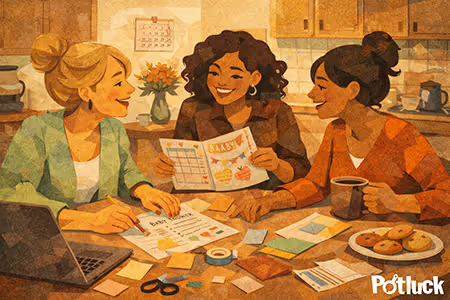
But it doesn’t have to be that way. Baby shower food works best when it’s shared — not just eaten together, but planned together.
Why Food Becomes the Breaking Point
Food carries emotional weight. It’s how we care for people. It’s how we make guests feel welcome.
That’s also why it’s often the first place stress shows up. One person trying to plan everything can easily feel responsible for everyone’s comfort and enjoyment. Add in allergies, preferences, and unpredictable attendance, and the pressure compounds quickly.
The irony is that most guests want to help. They just don’t always know how — or whether their help will actually be useful.
Why Shared Food Planning Works So Well for Baby Showers
Baby showers are uniquely well-suited to shared food planning.
They’re usually daytime gatherings. They don’t require a formal meal. And the spirit of the event already centers on community support. Inviting guests to contribute food fits naturally into that tone.
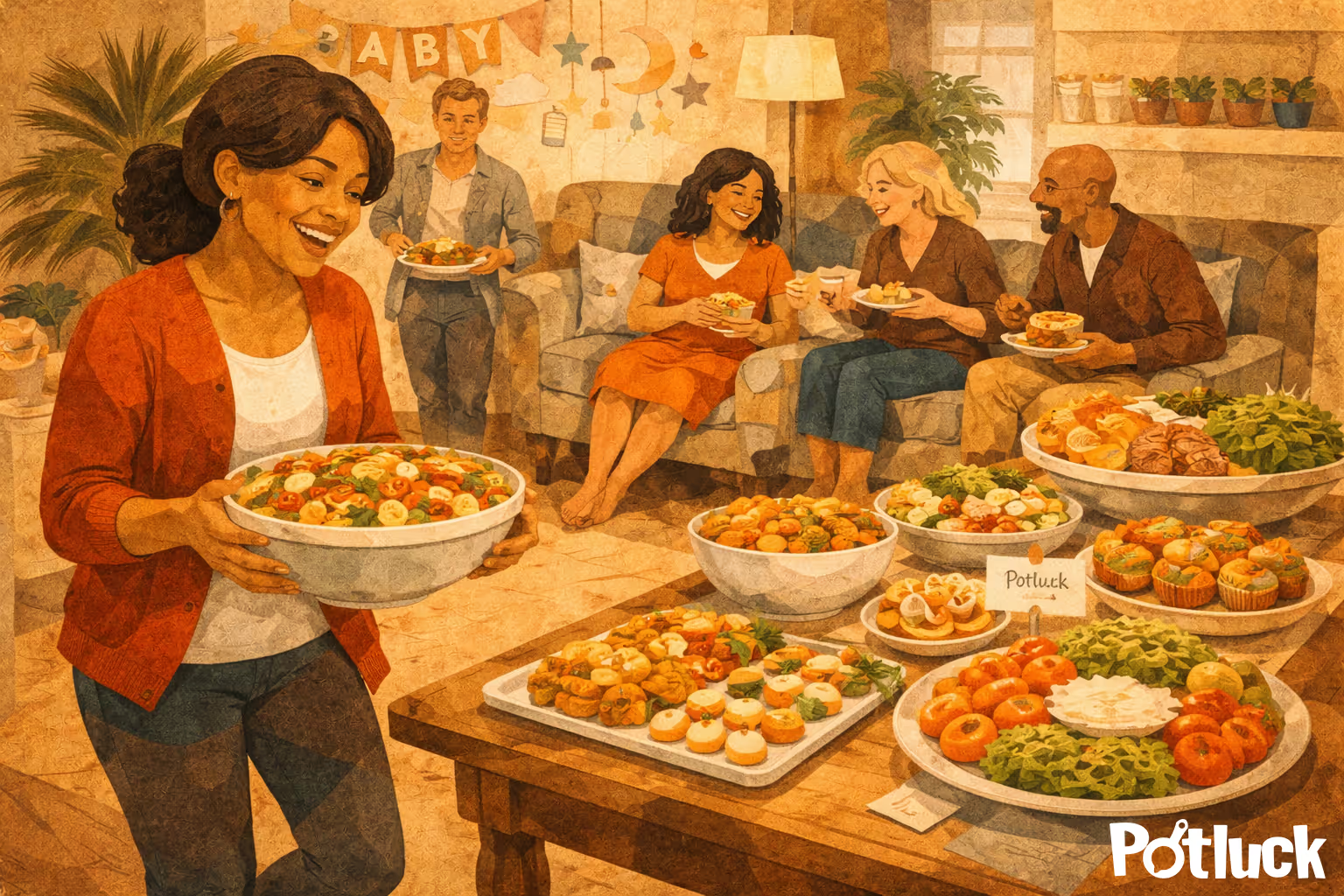
When food is planned together, the load lightens immediately. Variety improves. Waste decreases. And guests feel more connected because they’ve played a part in making the gathering happen.
Shared responsibility doesn’t make the event feel less thoughtful. It makes it feel more human.
How to Ask for Food Contributions Without Making It Awkward
One of the biggest barriers to shared food planning is fear of awkwardness. No one wants to sound demanding or create pressure.
The key is choice and visibility.
Instead of assigning specific dishes to specific people, offer categories. Drinks. Savory snacks. Sweet treats. Fruit. Something kid-friendly. When guests can choose what fits their schedule and comfort level, participation feels generous rather than obligated.
Framing matters, too. Language like “If you’d like to contribute” or “Here are some ways to help” keeps the invitation open and respectful.
Why an Interactive Sign-Up Sheet Changes Everything
This is where logistics can either create friction — or remove it entirely.
An interactive sign-up sheet lets guests see what’s already covered before they commit. No duplicate pasta salads. No guessing whether desserts are needed. No quiet competition to bring the ‘best’ thing.
Potluck’s interactive sign-up sheets are designed to make this process feel natural and low-pressure. Contributions are visible, flexible, and easy to update. Guests can step in where help is actually needed, and hosts can relax knowing the basics are covered.
Instead of managing food behind the scenes, the plan becomes shared and self-balancing.
What to Include — and What Not to Control
Shared food planning works best when it’s guided lightly.
It helps to note any non-negotiables, like allergies or dietary restrictions, upfront. That clarity protects both hosts and guests.
Beyond that, resist the urge to micromanage. You don’t need to approve every dish or control presentation. Trust that people who care enough to contribute care enough to do it thoughtfully.
Remember: the goal isn’t a perfectly coordinated spread. It’s a table that reflects many hands.
Common Food Planning Pitfalls (And How to Avoid Them)
One common mistake is waiting too long to ask for help. Early clarity makes participation easier and more likely.
Another is over-specifying. Too many rules can discourage contributions altogether.
Finally, avoid relying on private messages to coordinate food. When plans live in text threads, details get lost and stress increases. A shared Event page with a visible sign-up sheet keeps everything accessible and calm.
A Lighter Way to Feed the Gathering
When food planning is shared, something important shifts. The host stops feeling solely responsible for everyone’s experience. Guests arrive feeling useful and included. The gathering feels warmer because it truly belongs to everyone.
Less stress, more joy. Less managing, more connecting.
If it’s worth gathering, it’s worth letting others help. Start organizing food in a way that reflects the spirit of the celebration — shared, supportive, and human.