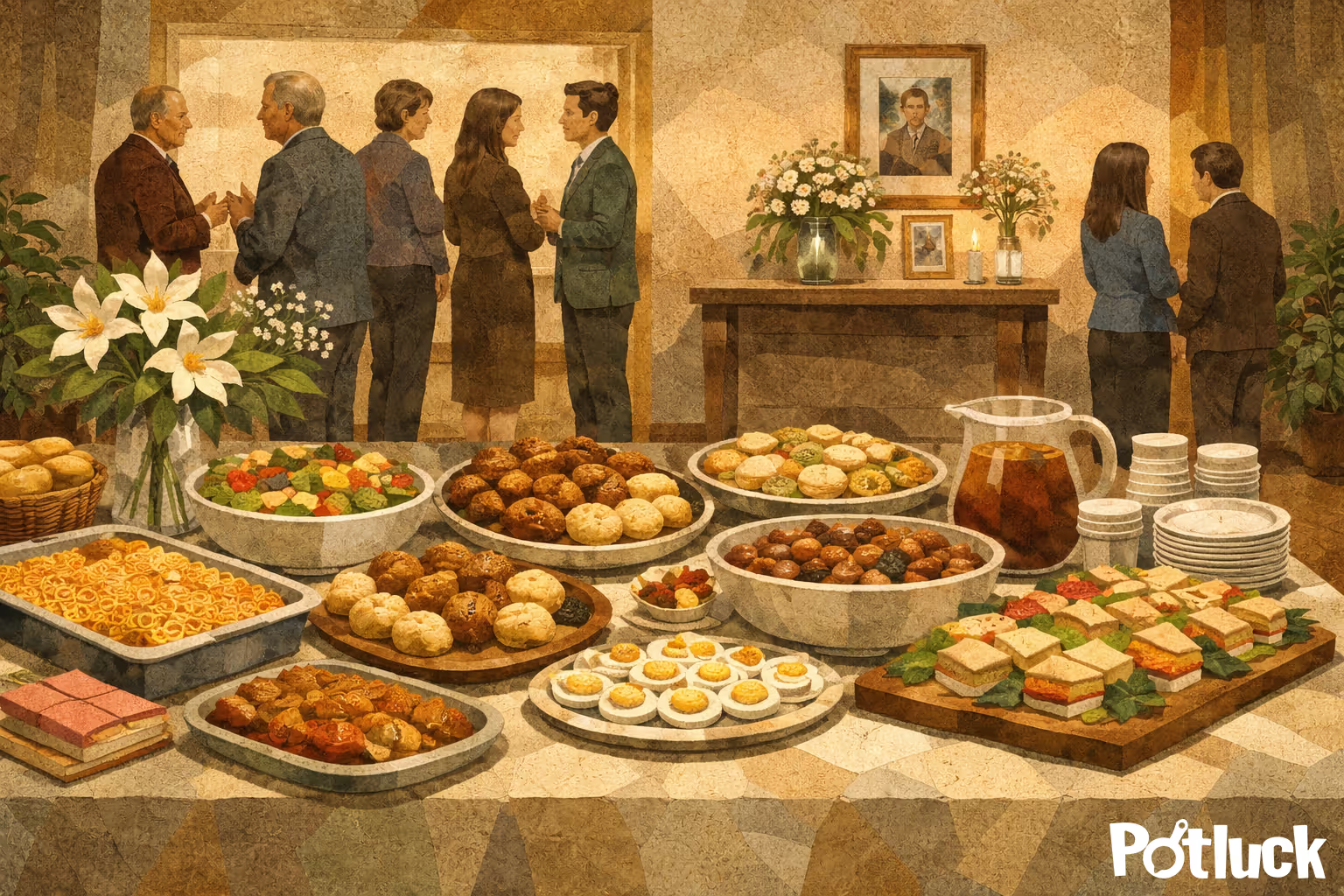
When people gather after a funeral or memorial service, food is rarely the focus — but it is often the quiet support holding everything together.
No one arrives expecting a perfect spread. They arrive tired, emotional, and grateful to be surrounded by others who knew and cared for the same person. In these moments, food isn’t about variety or presentation. It’s about comfort, familiarity, and making it easier for people to stay.
If you’re helping plan food for a memorial service or funeral reception, this guide offers grounded menu ideas that feel appropriate, supportive, and manageable — without adding stress during an already heavy time.
What Matters Most When Choosing Funeral Food
Before thinking about specific dishes, it helps to remember what people typically need in moments of grief. Appetite is often unpredictable. Some people won’t eat much at all, while others will be grateful for something warm or steadying.
This is why familiar, easy-to-eat foods tend to work best. Dishes that don’t require explanation, that feel recognizable, and that can be eaten standing or sitting quietly are usually more appreciated than anything elaborate. Comfort matters more than creativity, and ease matters more than abundance.
It’s also worth remembering that food at a memorial service serves more than one purpose. It gives people something to do with their hands. It offers a natural reason to pause. And it helps the gathering feel cared for, even when words are hard to find.
Light Fare for Short Gatherings
For gatherings held immediately after a service, or for memorials that are brief by design, light refreshments are often enough. Coffee, tea, and water are small comforts that make a meaningful difference, especially when emotions are running high.
Simple baked goods, fruit, or small snacks work well in these settings. The goal is not to create a meal, but to offer something grounding. These types of menus are especially appropriate when time is limited, seating is minimal, or the gathering is meant to remain quiet and reflective.
Light food also places less pressure on hosts and guests alike. People can take what they need, or nothing at all, without feeling awkward.
Comforting Food for Memorial Receptions
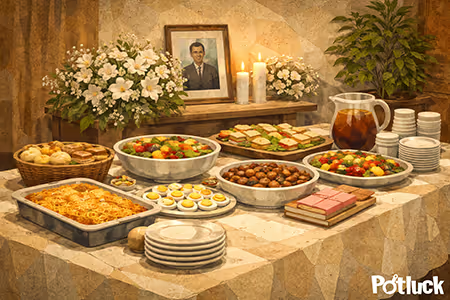
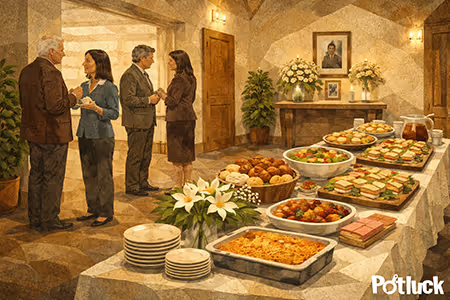
When a memorial reception lasts an hour or two, more substantial food helps people settle in. This is where familiar, comforting dishes shine. Sandwiches, soups, salads, and casseroles are common for a reason. They’re easy to serve, easy to eat, and generally well-received. These foods feel practical rather than performative, which fits the tone of most memorial gatherings.
Buffet-style service often works best here. It allows people to move at their own pace, avoids formality, and reduces the need for coordination during an emotionally charged time. It also makes it easier to accommodate different appetites without calling attention to them.
When a Full Meal Makes Sense
In some traditions, or for longer gatherings like repasts, a full meal is expected. In these cases, the same principles still apply: keep things familiar, straightforward, and flexible. A full meal doesn’t need to be complex to be meaningful. Simple main dishes paired with a few sides are often more than enough. Whether the food is catered, shared by guests, or a mix of both, what matters most is that it feels steady and nourishing.
When planning a meal, it can help to avoid foods that are difficult to eat, overly spicy, or overly messy. Meals that can sit comfortably for a while without losing quality are also easier to manage, especially when timing is uncertain.
Desserts and Sweets: A Gentle Offering
Desserts at funerals and memorial services tend to be modest, and that’s intentional. Cookies, bars, or simple cakes offer a quiet sense of comfort without drawing attention. Sweets are often easier for people to accept when they’re not ready for a full plate of food. They can also feel like a small kindness — something familiar and soft in the midst of a hard day.
If desserts are being shared by multiple people, variety usually takes care of itself. There’s no need to curate or control this part too tightly.
Beverages Matter More Than You Think
While food gets most of the planning attention, beverages often matter just as much, if not more. Coffee and tea, in particular, offer warmth and ritual. Water should be easily available, and simple options tend to work best. In most memorial settings, it’s helpful to keep beverage choices straightforward and accessible. The goal is comfort, not decision-making.
A Note on Dietary Needs
You don’t need to plan for every possible preference, but a little mindfulness goes a long way. Including at least one vegetarian option, labeling common allergens when possible, and avoiding extremes of spice or richness can help more people feel at ease. When food is being shared by many contributors, coordination helps prevent duplication and gaps. An interactive sign-up sheet can gently guide what’s needed without placing extra responsibility on any one person.
Let the Food Do What It’s Meant to Do
Food at a funeral or memorial service isn’t meant to impress. It’s meant to support.
When the menu is simple and familiar, it allows people to focus on what matters — being present, remembering, and feeling less alone. Shared experience is more important than communication, and sometimes a shared meal says everything that needs to be said. If you’re planning food for a gathering like this, trust that simplicity is not a shortcoming. It’s a kindness.
When you’re ready to organize contributions or share details in one place, start organizing in a way that feels steady and shared.