In the days surrounding a loss, people often ask the same question: What can I do to help?
When a funeral or memorial service is followed by a gathering with food, that question tends to show up again and again. Friends want to contribute. Family members want to feel useful. Neighbors want to offer care in a tangible way.
A potluck-style funeral reception gives all of that goodwill somewhere to land. Done thoughtfully, it can ease the burden on the immediate family while creating a shared experience that feels supportive rather than logistical.
Why Potluck Often Makes Sense After a Loss
Food has always been one of the most natural ways communities show up during grief. Cooking a dish, dropping off a tray, or setting out drinks is often easier than finding the right words. A potluck reception allows many people to participate in care without placing the responsibility on one household. For families navigating loss, this shared responsibility can be a relief. Instead of managing every detail alone, the work is distributed across a wider circle. The gathering becomes something the community creates together, not something one person has to host perfectly.
In this way, a potluck isn’t just about food. It’s about letting people contribute in the way they know how, and allowing care to move in both directions.
Setting the Right Tone
The word “potluck” can mean different things in different contexts. In a memorial setting, it’s less about abundance and more about appropriateness. The tone should remain simple, respectful, and grounded. Familiar foods are usually best, and expectations should be clear that contributions don’t need to be elaborate. This isn’t a showcase. It’s a shared table meant to support a difficult moment.
When framed this way, most people are grateful for the clarity. Knowing what’s helpful — and what’s not required — makes it easier for them to participate without second-guessing.
Making It Easy for People to Contribute
One of the challenges of a potluck reception is coordination, especially when emotions are high and communication is fragmented. Without structure, it’s easy to end up with too much of one thing and not enough of another. A simple plan makes all the difference. Deciding ahead of time what types of dishes are needed — main items, sides, desserts, and drinks — provides gentle guidance without being prescriptive. People appreciate knowing where their contribution fits. An interactive sign-up sheet can hold this structure quietly in the background. Instead of fielding dozens of texts or calls, contributors can see what’s needed and choose how they want to help. This reduces stress for the organizer and creates a smoother experience for everyone involved.
What Works Well for Potluck-Style Memorial Food
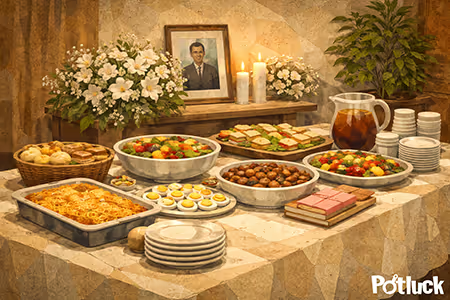
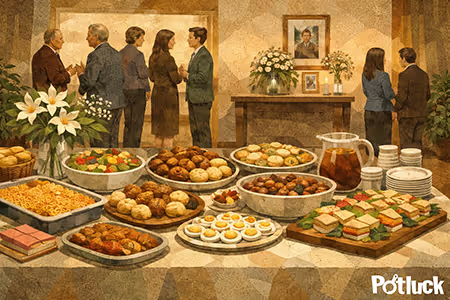
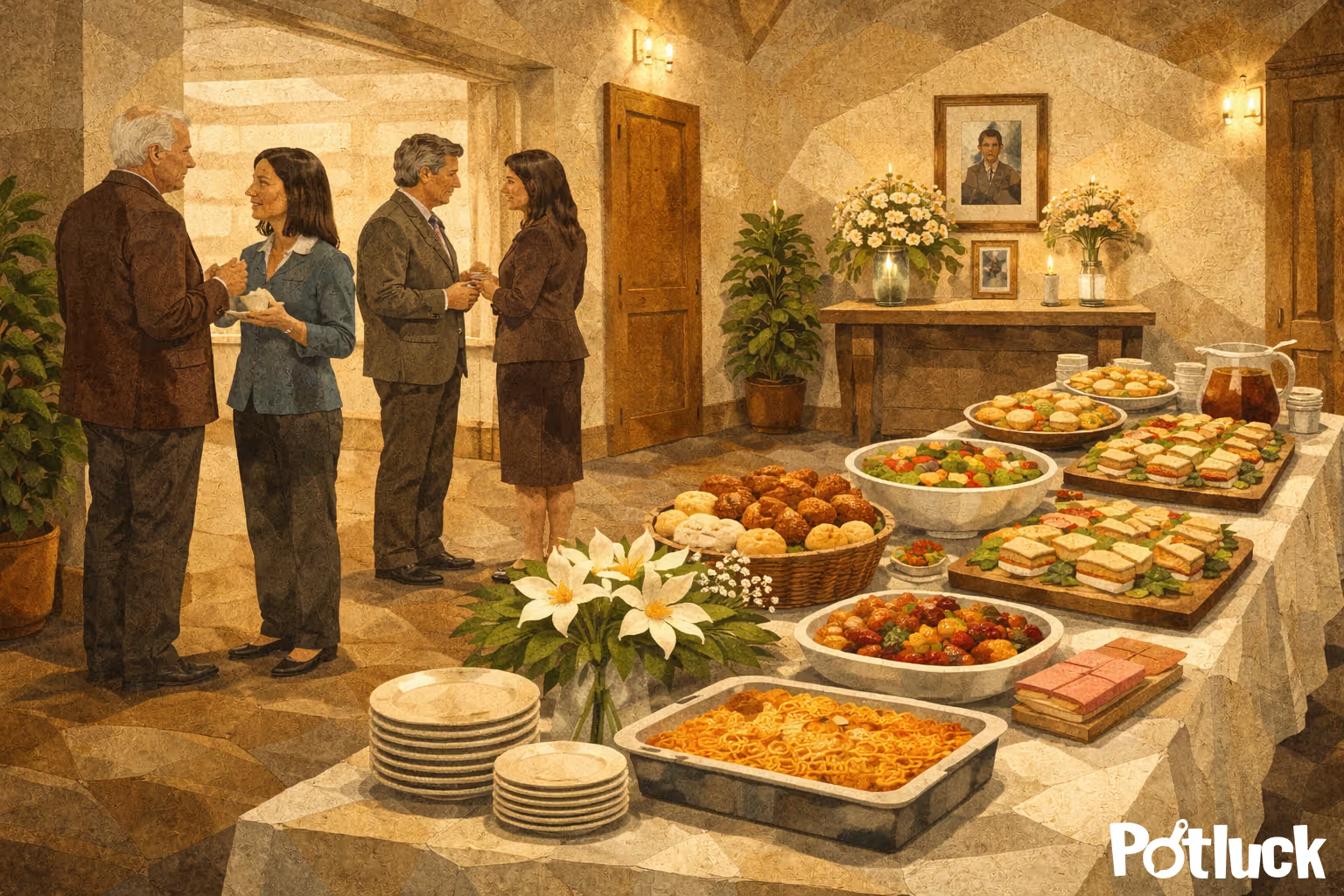
In most memorial settings, the best potluck contributions are dishes that travel well, are easy to serve, and don’t require last-minute attention. Foods that can be prepared ahead of time and served at room temperature are especially helpful. Simple casseroles, salads, sandwich fillings, baked goods, and fruit are common for a reason. They’re familiar, practical, and generally well received. Comfort matters more than creativity, and ease matters more than presentation.
It can also help to gently discourage dishes that are difficult to eat, highly perishable, or require reheating with precise timing. These small guardrails protect both the food and the people coordinating it.
Supporting the Family Without Overwhelming Them
Even when food is shared, someone still needs to hold the overall picture. Choosing one coordinator — or a pair — helps keep decisions from becoming scattered. This person doesn’t need to manage every detail, just provide clarity and reassurance.
Clear communication goes a long way here. Letting contributors know where to drop off food, when to arrive, and what serving supplies are helpful can prevent confusion on the day of the gathering. It’s also important to remember that the family’s role is to grieve, not to manage logistics. The more the process can run quietly and smoothly in the background, the better.
Respecting Dietary Needs, Gently
As with any gathering, it’s helpful to be lightly mindful of dietary needs. Including a vegetarian option and labeling common allergens when possible can help more people feel at ease.
That said, a funeral reception is not the moment to aim for perfect accommodation. Doing a few thoughtful things well is enough. When contributions are coordinated in advance, it’s easier to spot gaps and make small adjustments without stress.
When Potluck Might Not Be the Right Fit
While potluck receptions work well in many situations, they aren’t always the best choice. Very large gatherings, tight timelines, or venues with strict rules may make catering a better option. In some cases, a hybrid approach works best, with catered main dishes and potluck sides or desserts. The right choice is the one that reduces strain on the family and fits the context of the gathering. There’s no single correct answer.
How Potluck Helps Hold It All Together
When many people want to help, coordination becomes the quiet work behind the scenes. A Potluck event page can keep details in one place, organize food contributions clearly, and reduce the back-and-forth that often falls on one person.
For larger gatherings, a paid event can unlock sign-ups, event chat, and Moments. This can be especially meaningful after the service, when people want to share photos or memories but don’t know where to do so. A paid event starts at $9 and is often less about features and more about making the gathering feel shared rather than managed.
Let the Community Carry Some of the Weight
A potluck funeral reception is not about doing more. It’s about doing things together. When food is shared, the work of caring is shared too. The gathering becomes something the community holds collectively, allowing the family a little more space to simply be present. If it’s worth gathering, it’s worth planning in a way that spreads the load and honors the moment. When you’re ready, start organizing in a way that feels steady, human, and shared.