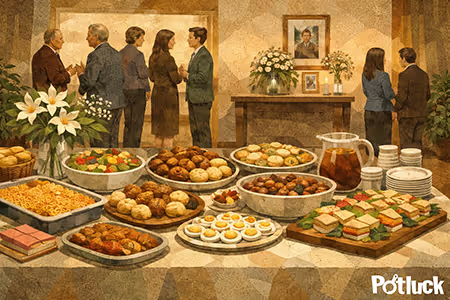
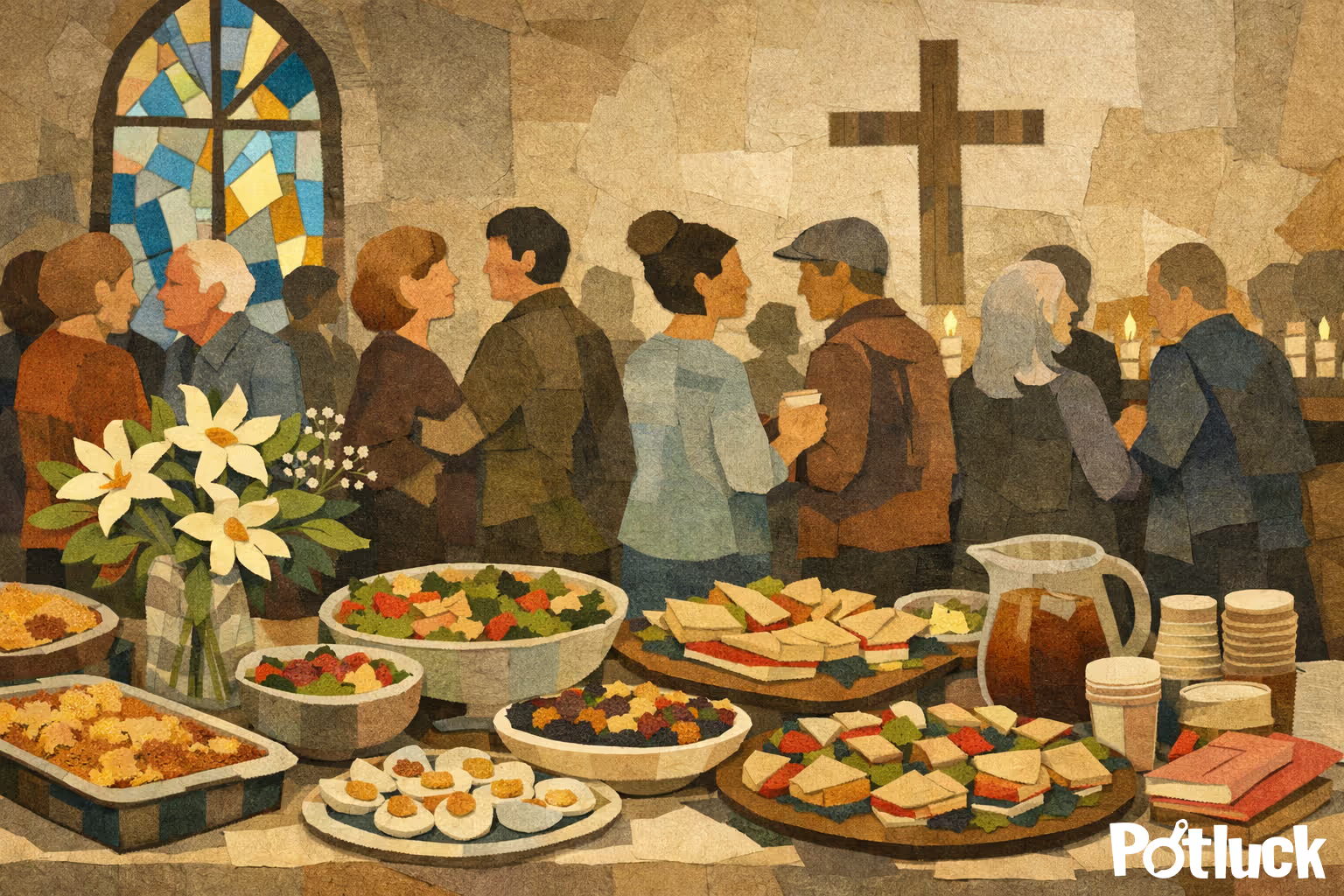
There are gatherings we plan with excitement, and then there are gatherings we plan because they matter.
Funeral and memorial services fall into the second category. They aren’t about hosting well or getting details just right. They’re about showing care, holding space, and making it easier for people to be together during a difficult moment. Often, they’re planned while grief is still fresh, which makes even simple decisions feel heavier. Food plays a quiet but meaningful role in these gatherings. Not as a centerpiece, and not as something meant to impress, but as a form of care. A warm meal, a cup of coffee, or a shared table can offer comfort when words are hard to find. Food gives people permission to linger, to sit down, to talk softly, or to simply be near one another.
If you’ve been asked to help organize food for a funeral or memorial service, this guide is here to support you. The goal is not perfection. It’s clarity, simplicity, and less stress in a moment when energy is limited.
Why Food Matters at Memorial Services
Across cultures and traditions, food has long been part of mourning rituals. After a service, people often gather to eat not because it’s expected, but because it helps. Eating together creates a natural pause after an emotionally intense moment. It gives people something grounding to do and creates space for quiet conversation, shared stories, and presence without pressure.
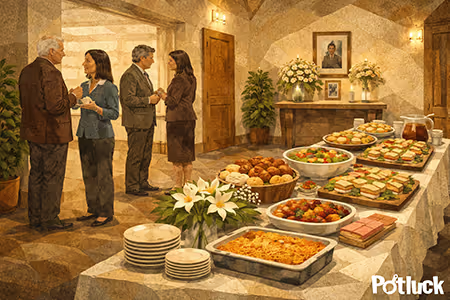
For many families, the gathering after the service is where support becomes tangible. Neighbors check in, friends reconnect, and relatives feel the steadiness of being surrounded by people who care. Shared experiences are shared memories, even in grief. The food itself may be simple, but the act of sharing it helps turn attendance into belonging.
This is why food matters, and also why it doesn’t need to be elaborate. Comfort, familiarity, and ease matter far more than variety or presentation.
Start by Clarifying the Type of Gathering
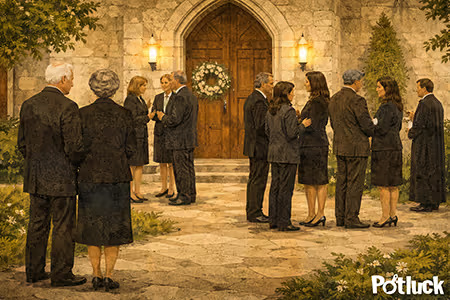
Before thinking about menus or logistics, it helps to get clear on the kind of gathering you’re planning. Funeral-related events can take many forms, and each carries different expectations around food. Some gatherings happen immediately after a funeral service and are relatively brief, calling for light refreshments and beverages. Others are memorial receptions that last an hour or two and benefit from more substantial, but still simple, food. In some traditions, a repast or shared meal is central to the day, while celebration-of-life gatherings may feel less formal and more personalized.
You don’t need to define every detail upfront. Simply understanding the tone, length, and location of the gathering will make the rest of the decisions easier. Food should support the moment, not complicate it.
A Simple Early Decision That Makes Everything Easier
When time and emotional bandwidth are limited, one of the most helpful early decisions is choosing the general style of food. This doesn’t mean locking in a menu. It just means deciding the level of complexity.
Some gatherings are best served with coffee, tea, water, and a few small bites. Others call for comforting, casual food that people can serve themselves, like soups, salads, or sandwiches. Longer gatherings may involve a full meal, whether catered, shared among guests, or a combination of both.
There is no correct choice here. The right option is the one that fits the gathering and the people involved. Once this decision is made, everything else tends to fall into place more naturally.
Planning Food Without Overwhelm
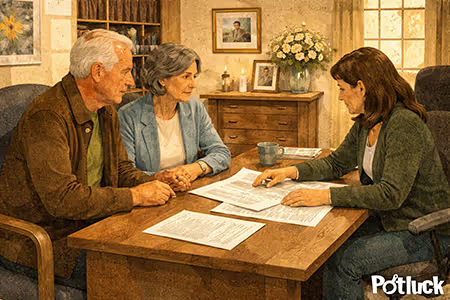
One of the kindest things you can do during this process is to reduce unnecessary decisions. Choosing one person, or a small pair, to coordinate food helps prevent confusion and duplicate efforts. Even when many people want to help, a single point of coordination keeps things calm and clear.
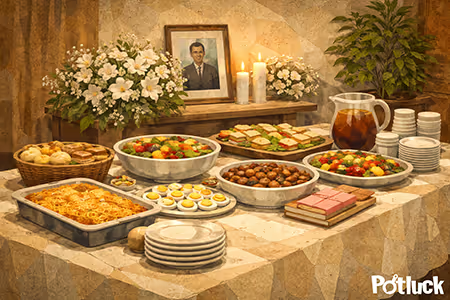
From there, deciding whether food will be catered, potluck-style, or a mix of the two can further simplify planning. Catering can ease logistics when budget and availability allow. A potluck approach invites community care and shared responsibility, which can feel especially meaningful in times of loss. Many families find that a hybrid approach works best, with catered main dishes and contributed sides or desserts. When choosing what to serve, familiarity is your ally. Funeral and memorial food is not the place for experimentation. Simple, recognizable dishes that are easy to eat and hold well are often the most appreciated. Comfort matters more than creativity. It’s also helpful to be lightly mindful of inclusivity. Clear labels for common allergens, at least one vegetarian option, and avoiding overly spicy or messy foods can go a long way. The goal isn’t to accommodate every preference, but to make most people feel considered.
Finally, make it easy for people to help. When someone asks what they can bring, they’re offering care. An interactive sign-up sheet gives that care somewhere to land, helping contributors coordinate without adding stress for the family.
Practical Guidance That Keeps Things Grounded
In most memorial settings, finger foods and buffet-style service work well, especially when seating is limited or the gathering is informal. Self-serve options reduce pressure and allow people to move at their own pace. Disposable or compostable serving ware can make cleanup easier, particularly when the gathering is held in a home.
Beverages are often more important than the food itself. Coffee, tea, and water are small comforts that make a meaningful difference. When planning at home, it can help to remember that the goal is presence, not presentation.
Common Worries, Reassured
It’s common to wonder whether there was enough food, or whether you should have done more. In moments of grief, these doubts can feel especially heavy. In reality, food paired with genuine care is almost always enough. It’s also normal for people to eat very little. Food at a memorial service is there for comfort and availability, not for measuring consumption. And if things weren’t perfect, that’s okay. Planning anything during loss is an act of generosity. Perfection kills connection, especially in moments like these.
Where Potluck Fits In
When many people want to help, coordination becomes the hardest part. A simple Potluck event page can hold the practical details in one place, organize food contributions clearly, and reduce the back-and-forth that often falls on one person.
For larger or more complex gatherings, a paid event can unlock sign-ups, event chat, and Moments. These tools can help the gathering feel shared rather than managed, and Moments allow people to share photos and memories later, when the immediate intensity has passed. A paid event starts at $9 and is often less about features and more about making the experience feel collective.
Connection Is the Point
Food at a funeral or memorial service isn’t about hosting. It’s about creating a moment where people can pause, sit down, and feel less alone.
If it’s worth gathering, even in grief, it’s worth planning well. Not elaborately. Just thoughtfully. When you’re ready, start planning in a way that feels steady, human, and shared.
This is the flagship post in our series for Memorial Services & Funerals. Stay tuned for more helpful content as you plan these somber occassions.