For many hosts, the moment a game night becomes real is the moment food enters the picture. Suddenly the questions multiply. Should I cook or order? What if someone has a dietary restriction I don’t know about? How much is enough? What if it runs out — or worse, what if it’s barely touched?
Food has a way of quietly becoming the heaviest part of hosting. Not because it isn’t enjoyable, but because it carries expectation. Food feels personal. It feels like hospitality on display. And when you care about people feeling welcomed, it’s easy to overextend yourself without even realizing it.
Game night food doesn’t need to prove anything. Its job is simple: support the gathering, not steal the spotlight. When food is designed to serve connection instead of performance, the entire night gets easier.
Why Food Creates So Much Pressure
Unlike games, food is hard to ignore. It takes time, money, and planning, and it’s often the most visible sign of effort. Many hosts internalize the idea that providing food is part of the unspoken contract of inviting people over.
That belief can turn a casual game night into a silent stress test. You’re not just hosting — you’re anticipating preferences, managing timing, and hoping your choices land well.
The irony is that this pressure often works against connection. When hosts are preoccupied with cooking, refilling, or worrying, they’re less present for the very experience they wanted to create.
Game Night Food Has a Different Job
Game night isn’t a dinner party. It doesn’t need a centerpiece dish or a carefully timed menu. The best game night food is forgiving.
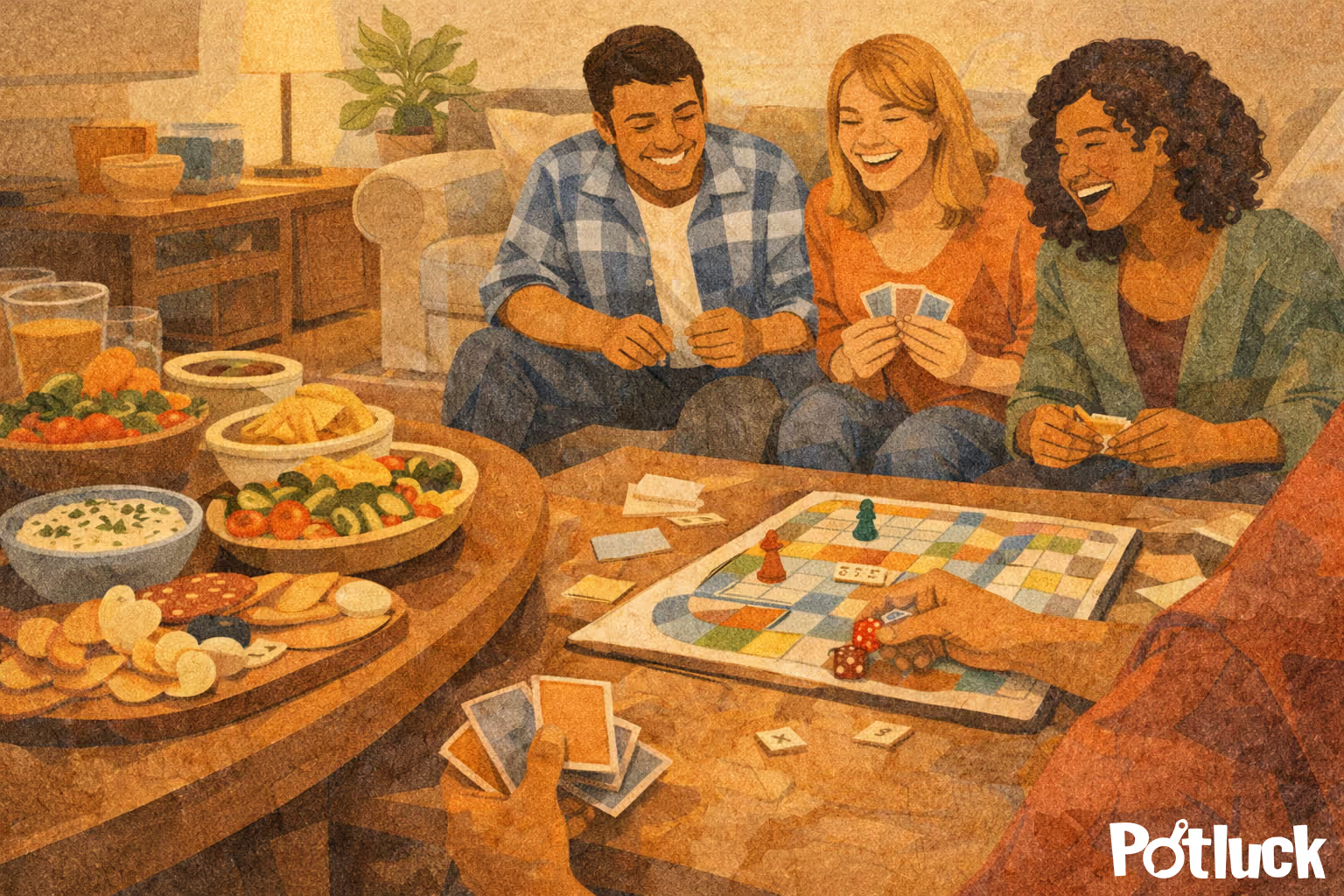
It can be eaten in small bites. It doesn’t require utensils or attention. It can sit out without consequence. Most importantly, it doesn’t interrupt the flow of play or conversation.
Food that works quietly in the background allows people to stay engaged with each other. It removes friction instead of adding it. When no one has to pause the night to ask what’s next or when things will be ready, the experience feels smoother and more relaxed.
Shared Food Builds Shared Ownership
One of the most effective ways to reduce food-related stress is also one of the most connective: sharing responsibility.
Inviting guests to contribute food doesn’t diminish hospitality. It deepens it. When people bring something, they arrive already invested. They see themselves as participants, not just attendees.
This shared approach also makes room for flexibility. Someone who prefers to cook can. Someone who’s short on time can grab something simple. Dietary needs are more likely to be met when the responsibility doesn’t rest on one person’s assumptions.
An interactive sign-up sheet makes this process visible and easy. Guests can see what’s already covered and choose how they want to help, without awkward coordination or pressure.
Designing for Ease and Flow
Where and how food is set up matters as much as what’s served.
Food that’s accessible without disrupting play keeps energy steady. A side table or counter where people can help themselves allows the night to unfold naturally. No announcements required.
It also helps to think about pacing. Instead of planning a single “food moment,” consider how snacks and simple dishes can be available throughout the night. This supports different arrival times and keeps the experience inclusive.
When food is designed around the rhythm of the gathering, it becomes part of the environment rather than an event within the event.
Letting Go of the Hosting Myth
There’s a persistent idea that a good host does everything themselves. That generosity equals effort, and effort equals worth.
In practice, that mindset often leads to burnout and resentment — even when the night goes well.
Shared responsibility builds stronger communities because it distributes care. It tells people they’re trusted. It turns a gathering into something created together, rather than something one person carries alone.
Less stress, more joy isn’t just a nice phrase. It’s a practical outcome of letting go of unnecessary weight.
What People Remember About the Food
People rarely remember exactly what was served at a game night. They remember whether they felt comfortable grabbing a snack. Whether the atmosphere felt relaxed. Whether they were welcomed into the flow of the evening.
Food supports those memories when it’s easy, abundant enough, and shared. When it doesn’t demand attention, it leaves room for laughter, conversation, and the small moments that make the night feel warm.
A Lighter Way Forward
If food planning has been the thing holding you back from hosting, consider this your permission to simplify. Game night doesn’t need a menu. It needs intention and a willingness to let others help.
Start organizing a night where food fuels connection instead of stress. Create an event page. Use an interactive sign-up sheet. Let people show up with what they can offer.
Connection is the point. Everything else is support.