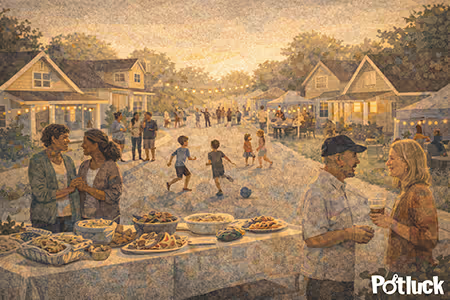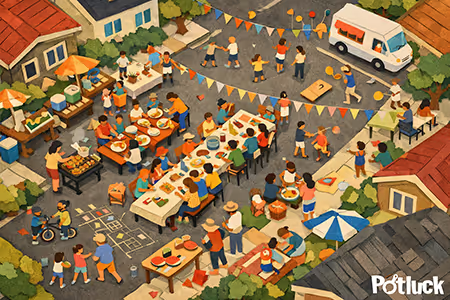
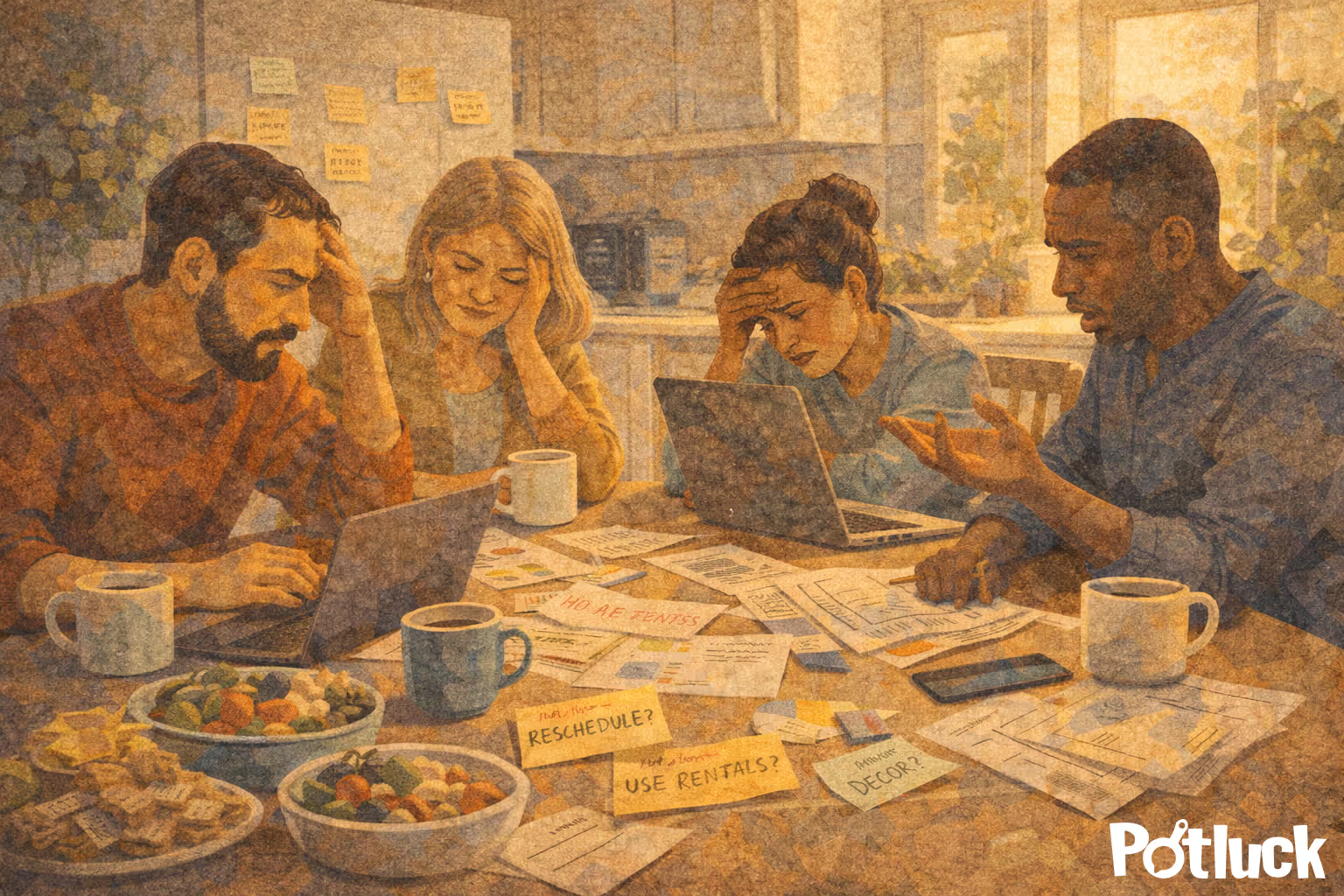
If you’ve ever helped organize an HOA or neighborhood event, this probably sounds familiar: A small group steps up. They plan the event. They chase responses. They handle last‑minute details.
The event happens. Everyone enjoys it. And then those same organizers quietly say, “I’m not doing that again.”
This pattern is incredibly common — and deeply misunderstood. Volunteer burnout isn’t a sign that people don’t care.
It’s a sign that the system is asking too much of too few.
Burnout Is a Planning Problem, Not a People Problem
Most HOA boards rely on goodwill. A few capable, motivated neighbors step in because they want the community to thrive.
But without the right structure, that goodwill gets depleted.
Here’s why: - One or two people hold all the details - Guest lists live in someone’s inbox - Responsibilities are unclear or invisible - Each event starts from scratch.
When planning knowledge isn’t shared, neither is the load. Over time, organizers burn out — not because they’re unwilling, but because they’re unsupported.
Why “Just Asking for Help” Doesn’t Work
Boards are often told to fix burnout by asking more people to volunteer. In reality, most neighbors want to help.
They just don’t know: - What’s needed - When it’s needed - How to step in without overstepping
Ambiguity creates hesitation. And hesitation looks like apathy.
The Hidden Cost of Starting Over Every Time
One of the biggest drivers of burnout is repetition.
Each event requires organizers to: - Rebuild guest lists - Re‑explain plans - Re‑decide what worked last time.
When that knowledge isn’t retained, every event feels heavier than the last.
This is especially challenging for HOAs, where: - Board members rotate - Volunteers change - Institutional memory disappears
Without continuity, momentum collapses.
What Sustainable Neighborhood Planning Looks Like
Healthy neighborhoods don’t rely on heroic volunteers.
They rely on systems that - Retain guest lists - Capture event history - Make participation visible - Distribute responsibility naturally.
In other words, they make planning repeatable. When the system remembers, people don’t have to.
How Potluck Reduces Organizer Burnout
Potluck was designed specifically to prevent this cycle.
For HOA boards and neighborhood organizers, Potluck:
- Automatically saves attendees as Connections, so guest lists grow over time instead of resetting
- Retains full event history, allowing boards to duplicate successful events instead of rebuilding them
- Uses interactive sign‑up sheets to make help visible and shared
- Centralizes coordination in an event chat, replacing scattered emails and texts
The result? Less chasing. Less guesswork. Less burnout.
Planning becomes a shared responsibility — not a personal burden.
Why Paid Events Are the Responsible Choice
Recurring neighborhood events deserve reliable infrastructure.
A paid event on Potluck unlocks the tools that protect organizers: - Retained Connections - Reusable event templates - Sign‑ups, event chat, and Moments
For HOAs, this isn’t about “upgrading software.” It’s about protecting the people who make community possible.
A paid event starts at $9.
Fix the System, Keep the Volunteers
If your neighborhood struggles with organizer burnout, the answer isn’t more pressure. It’s better planning support.
When the system carries the weight: - More people participate - Fewer people burn out - Events become sustainable
And community has room to grow.
Start organizing your next neighborhood event with Potluck
This post is part of Potluck’s ongoing series on how neighborhoods become communities.