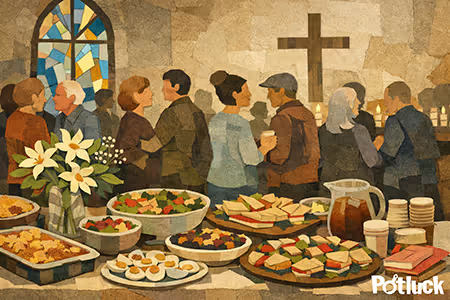

In the midst of planning a funeral or memorial service, food decisions often arrive with an added layer of pressure. What would be easiest? What would feel appropriate? What would take the least out of the people who are already grieving?
There’s no single right answer. Some gatherings are best supported by professional catering. Others are better served by food prepared and shared by the community. Many fall somewhere in between.
This guide is here to help you think through those options with clarity and compassion, so the choice you make feels supportive rather than burdensome.
Start with Capacity, Not Expectations
One of the most important questions to ask isn’t what should be done, but what the family and organizers realistically have the capacity to handle. Grief limits energy in ways that are hard to predict. Tasks that might normally feel manageable can quickly become overwhelming. Choosing a food approach that protects emotional and physical capacity is an act of care, not a shortcut.
When evaluating options, it helps to consider how many people are expected, where the gathering will be held, and who will be present to help on the day itself. These factors matter more than tradition or comparison.
When Catering Makes Sense
Catering can be a helpful option when the gathering is large, the timeline is tight, or the family needs to minimize logistics as much as possible. Having food arrive prepared and ready can remove a significant layer of coordination. Catered food can also be a good fit for venues with specific requirements, or for families who prefer a clearly defined plan. In these cases, catering isn’t about formality. It’s about reducing the number of decisions that need to be made during a difficult time.
That said, catered food doesn’t need to be elaborate to be meaningful. Simple menus with familiar options often feel the most appropriate. Comfort and reliability matter more than presentation.
When DIY or Community-Prepared Food Feels Right
In many memorial settings, food prepared by friends and family carries deep meaning. It reflects care, history, and a desire to contribute something personal.
DIY or community-prepared food can work especially well for smaller gatherings, home-based receptions, or situations where many people are eager to help. Sharing the work of cooking and serving can lighten the load and create a sense of collective support. The key is not to take on too much at once. Clear boundaries around what’s helpful, and what’s not needed, help prevent overwhelm. Familiar dishes, simple preparation, and advance planning all make this approach more sustainable.
The Hybrid Approach: Often the Best of Both
For many families, a hybrid approach offers the right balance. Having main dishes or staples catered while allowing friends and family to contribute sides, desserts, or beverages can ease coordination without losing the feeling of shared care. This approach provides structure while still leaving room for personal contributions. It also helps ensure that the essentials are covered, even if plans shift or contributions change at the last minute. Hybrid setups tend to work well for medium-sized gatherings or for families who want to welcome help without managing every detail themselves.
Budget, Gently Considered
Budget is often part of this decision, but it doesn’t need to be the driving force. Both catered and DIY options can be approached thoughtfully at a range of price points. What matters most is choosing an option that doesn’t create additional stress. Sometimes that means spending a little more to reduce coordination. Other times it means leaning into community support. Either choice can be valid.
There is no need to justify the decision to anyone else. The right choice is the one that serves the people closest to the loss.
Planning for the Day Itself
No matter which approach you choose, it helps to think ahead about how the day will unfold. Who will receive the food? Where will it be set up? Who will quietly keep an eye on timing or replenishment? Assigning these roles ahead of time allows the gathering to run smoothly without pulling the family into logistics. The more these details are handled in the background, the more space there is for presence and connection.
How Potluck Can Support Any Approach
Whether the food is catered, shared, or a mix of both, coordination still matters. A Potluck event page can keep details in one place, outline what’s covered, and clarify where help is needed.
For hybrid or community-supported gatherings, interactive sign-ups make it easier to balance contributions without repeated conversations. For larger events, a paid event can unlock sign-ups, event chat, and Moments, helping the gathering feel shared rather than managed. A paid event starts at $9 and can provide structure when it’s most needed.
Choose the Option That Creates the Most Ease
At the heart of this decision is a simple question: which approach creates the most ease for the people who are grieving? When food planning reduces strain rather than adding to it, it does its job. It supports the gathering quietly, allowing connection to take center stage.
If it’s worth gathering, it’s worth choosing the path that feels steady and humane. When you’re ready, start organizing in a way that feels calm, shared, and supportive.