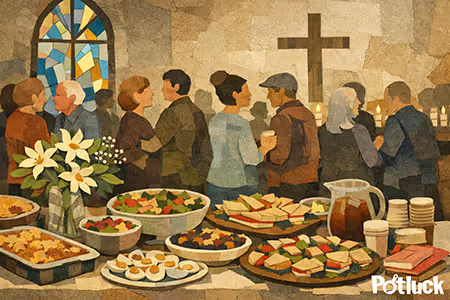
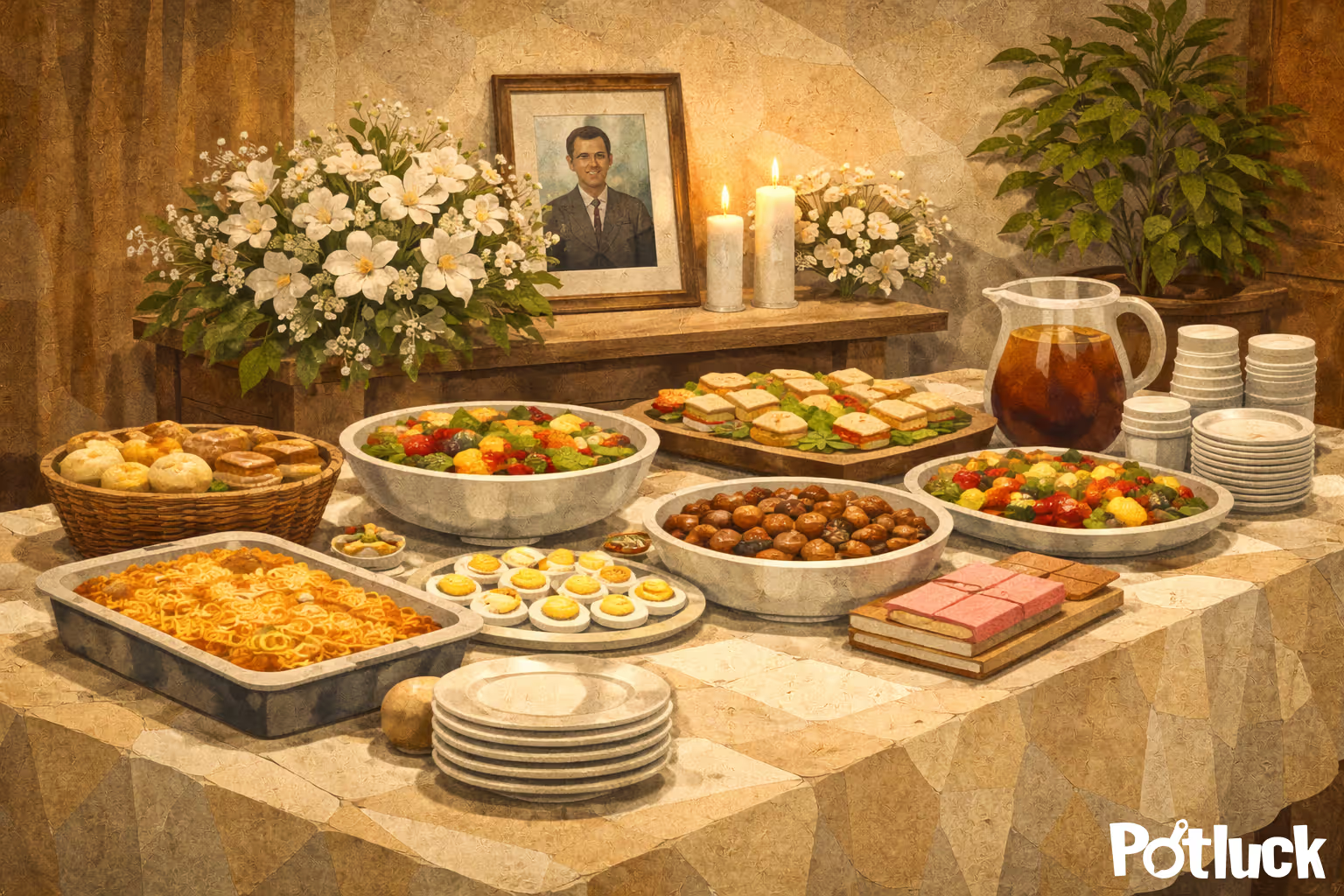
When a gathering is shaped by loss, the smallest details can feel unusually heavy. Questions that might feel simple in other contexts — where to place the food, when to serve it, how to talk about it — can suddenly carry emotional weight.
Food etiquette at funerals and memorial services isn’t about rigid rules or getting everything exactly right. It’s about care. Tone. And creating an environment where people feel supported rather than managed.
If you’re helping plan or organize food for a memorial gathering, this guide offers gentle guidance on how to approach those decisions with respect and steadiness.
Let the Gathering Set the Tone
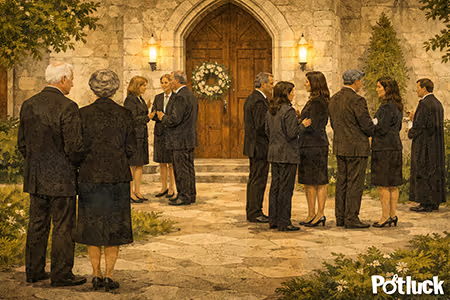
Every memorial gathering has its own rhythm. Some are quiet and reflective, while others invite conversation and storytelling. Food should follow that tone, not compete with it.
In more solemn settings, food often stays in the background. Light refreshments or simple offerings allow people to engage as much or as little as they wish. In gatherings that feel more conversational, food can play a slightly larger role, giving people a reason to stay and connect. Rather than trying to impose a mood, let the setting, the people, and the purpose of the gathering guide your choices. When food aligns with the emotional tone of the moment, it feels natural rather than intrusive.
Timing Matters More Than Variety
One of the most common questions around memorial food is when it should be served. The answer depends less on tradition and more on flow.
Food is often most appreciated after the service itself, once people have had space for reflection. Serving food too early can feel distracting, while serving it too late can leave people depleted. When possible, allow a clear transition from the formal service into the shared gathering. Once food is available, it helps to let people approach it at their own pace. There’s no need for announcements or instructions unless absolutely necessary. Quiet availability is usually enough.
Buffet, Self-Serve, and Simplicity
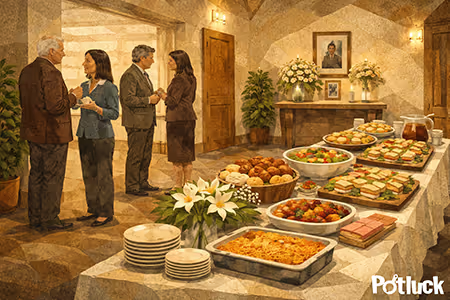
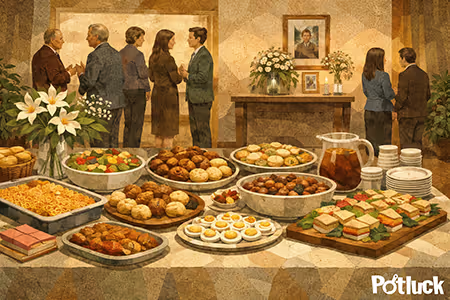
In most memorial settings, self-serve food is the least intrusive option. Buffet-style setups reduce formality and allow people to choose what feels manageable in the moment. This approach also minimizes the feeling of being waited on, which can feel uncomfortable for some people during grief. When food is simply present and accessible, it allows guests to move through the space in a way that feels natural to them.
Clear labels, tidy presentation, and an uncluttered layout all help the food blend into the gathering rather than stand out.
Communicating About Food with Care
How you communicate about food matters just as much as what is served. Invitations or event details should mention food simply and without emphasis. Phrases that signal availability without obligation tend to work best. The goal is to let people know food will be there, not to frame it as a highlight or expectation. If contributions are being shared, clarity helps. Letting people know what’s helpful, where to bring items, and how things will be organized can reduce uncertainty without creating pressure.
Cultural and Religious Considerations
Many cultures and faith traditions have specific practices around food and mourning. When planning a gathering, it’s important to honor those customs whenever possible. If you’re unsure, asking a trusted family member or community leader can provide helpful guidance. In these contexts, food is often deeply symbolic, and small adjustments can carry meaningful weight. Approaching these considerations with humility and openness goes a long way. The goal is respect, not perfection.
Alcohol: A Thoughtful Choice
Whether or not to serve alcohol at a memorial gathering is a personal and cultural decision. In some settings, it’s entirely inappropriate. In others, a small, quiet offering may feel acceptable.
If alcohol is included, keeping it understated helps maintain the tone of the gathering. It should never become a focal point. When in doubt, erring on the side of simplicity and restraint is usually the safest choice.
Supporting Those Who Are Grieving
Food etiquette at funerals is ultimately about protecting emotional space. This includes being mindful of how much responsibility falls on those closest to the loss.
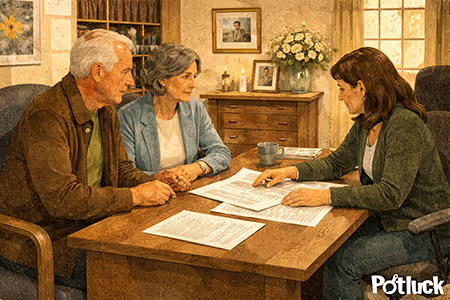
The more decisions that can be handled quietly and in advance, the less the family has to manage in the moment. This might mean organizing food contributions ahead of time, setting up serving areas early, or assigning someone to oversee logistics on the day of the gathering. When these details are handled thoughtfully, the family is free to focus on what matters most: remembering, grieving, and being present with others.
Where Gentle Coordination Helps
When many people want to contribute, coordination can quickly become overwhelming. A Potluck event page can keep details in one place, organize contributions clearly, and reduce the need for repeated conversations.
For larger gatherings, a paid event can unlock sign-ups, event chat, and Moments. This can be especially helpful when people want to share photos or memories after the service, but aren’t ready to do so right away. A paid event starts at $9 and is often less about features and more about creating a shared, steady space.
Care Is the Through Line
There is no single “correct” way to serve food at a funeral or memorial service. What matters is that the choices made are thoughtful, respectful, and grounded in care. When food supports the gathering quietly and reliably, it allows connection to take the lead. Shared experience is more important than communication alone. Sometimes, serving food with care is the most meaningful thing you can do.
When you’re ready, start organizing in a way that feels calm, human, and shared.