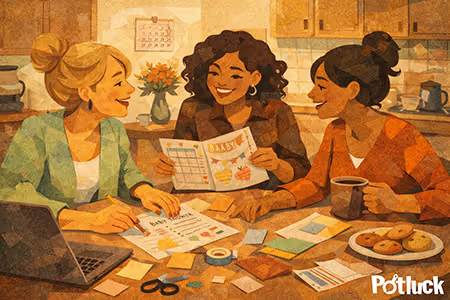

Family reunions usually become stressful for one quiet reason: too much lives in one person’s head.
Dates, food, who’s coming, who’s bringing chairs, whether anyone told Aunt Linda about the schedule change. Once you've established a location, none of these details are particularly difficult on their own. What makes reunion planning exhausting is holding all of it at once—and feeling responsible for making sure nothing falls through the cracks.
A good checklist doesn’t add pressure. It removes it. Not by turning a family reunion into a rigid project plan, but by making decisions visible, shared, and easier for people to step into. This checklist is designed to help you organize a family reunion without becoming the bottleneck.
Start With the Right Mindset
Before thinking about tasks or timelines, it helps to be clear about what this checklist is not meant to do. It isn’t about controlling every detail, assigning work like a manager, or producing a flawless event. Family reunions don’t need professional-level coordination to be meaningful. They need clarity, shared responsibility, and room to be human.
This checklist exists to support shared experience. When people can see what’s needed and choose how they help, planning becomes a collective effort instead of a quiet burden. Connection starts before anyone arrives.
If it’s worth gathering, it’s worth planning well—but never alone.
Create One Shared Home First
Before anything else, create a single shared place where the reunion lives. An Event page gives everyone the same reference point for what’s happening, when it might happen, and how to stay in the loop. This one step replaces scattered text threads, side conversations, and repeated explanations.
When planning has a shared home, it stops living entirely in your head. People know where to look, where to contribute, and where to ask questions. That clarity alone reduces stress more than any detailed checklist ever could.
Decide the Big Things Together
Some decisions affect everyone, and those decisions benefit from shared input early on. Instead of finalizing them privately and announcing the plan, invite people into the process while there’s still flexibility.
Agreeing on a general date or date range, the type of location, how long the gathering will be, which activities there will be, and the overall tone of the reunion creates alignment without requiring perfection. Being honest about budget expectations—without judgment—also helps people opt in realistically. When families decide these things together, buy-in grows naturally and frustration later on is far less likely.
Share Responsibilities Without Assigning Them
This is where most reunion planning starts to feel heavy, and where a small shift makes a big difference. Instead of privately asking people to help or waiting for volunteers to magically appear, make needs visible and optional.
An interactive sign-up sheet allows people to contribute in ways that work for them. Food, activities, setup help, cleanup, or local recommendations can all be shared openly. Visibility removes the awkwardness from asking and replaces it with choice. People are far more likely to follow through when they opt in themselves.
Shared responsibility builds stronger families. It turns planning into participation instead of obligation.
Keep Communication Calm and Centralized
Family communication multiplies quickly. Group texts branch off, emails get buried, and important details get missed or misunderstood. When information is scattered, the planner often becomes the default help desk.
Using an event chat keeps questions, updates, and clarifications in one place. Everyone has access to the same information, and no one feels left out or overwhelmed by constant notifications. Centralized communication isn’t just efficient—it’s kind. It reduces stress for both the planner and the family.
Plan Lightly for Real Connection
A packed schedule rarely creates the moments people remember most. Overplanning often comes from good intentions, but it can leave everyone feeling rushed or managed.
Instead, plan just enough to support togetherness. One or two shared meals, a simple group activity, and plenty of unstructured time often create the strongest connection. Shared experience is more important than communication—and far more important than entertainment.
Think About the After
The reunion doesn’t end when everyone heads home. Shared photos and stories help extend the experience and reinforce the feeling of belonging that the gathering created.
Moments make it easy for everyone to contribute memories and relive the time together, even once daily life resumes. Planning for this ahead of time ensures the reunion lives on as a shared memory, not just a past event.
What You Can Let Go Of
Not everything needs to be managed. You can let go of making everyone happy, perfect timing, equal contribution from every person, and having answers for every possible scenario.
Family reunions are human gatherings. Different personalities, budgets, and energy levels are part of what makes them real. Planning well means making space for that reality instead of trying to smooth it away.
Why This Checklist Actually Works
This approach reduces stress because it makes planning visible instead of mental, invites shared responsibility, keeps communication simple, and prioritizes connection over control. When people help plan, they show up differently. They arrive invested, relaxed, and ready to be together—not just attend.
Ready to Begin?
You don’t need to complete this checklist all at once. You just need to start.
Create one shared Event page. Invite your family in. Let planning become part of the togetherness.
Start planning. Connection is the point.